
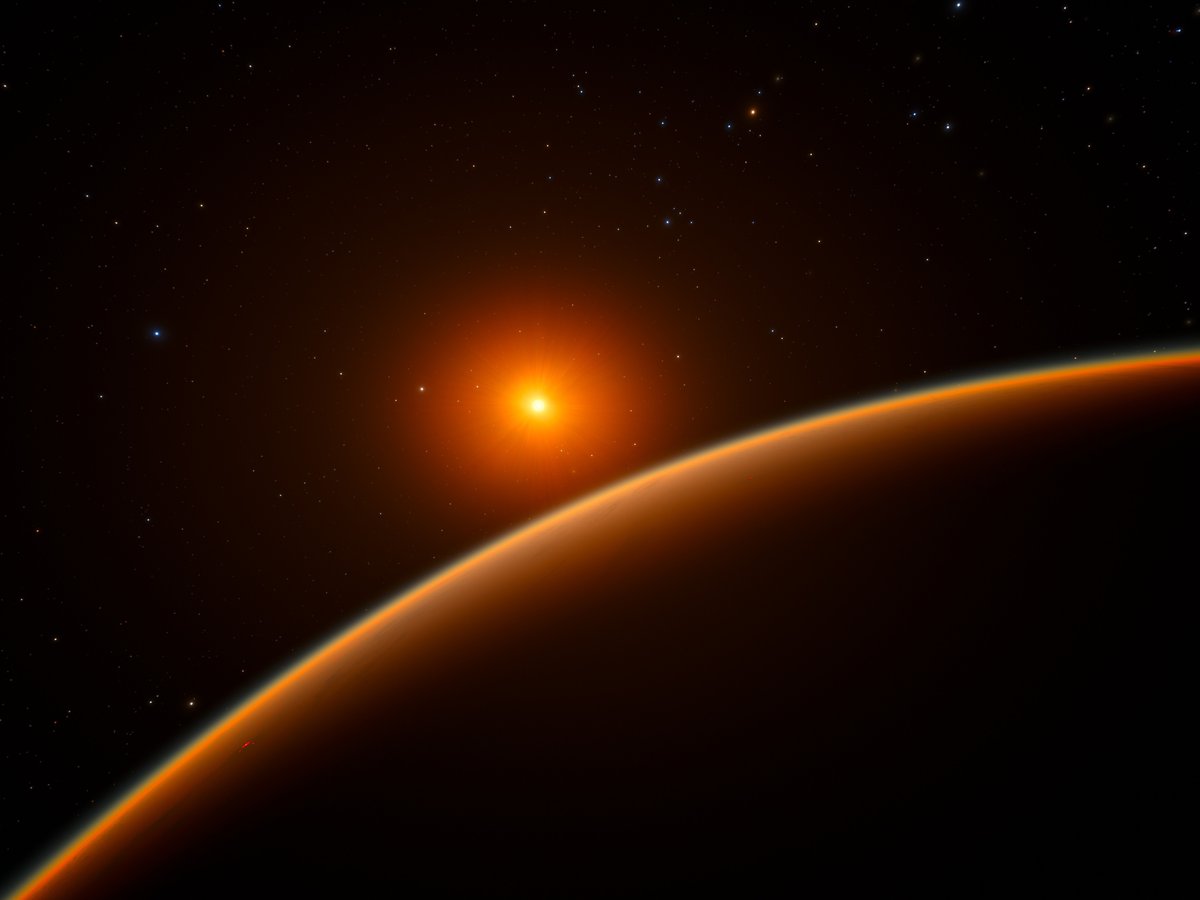
‘Earth-like’ exoplanets may exist—but we don’t know of any yet
Claiming an exoplanet to be “Earth-like” is a trend that needs to bite the dust
Read at source →Source
Science journalism from Scientific American
Science · 532 articles · page 11 of 15 · fetched 30 minutes ago
Claiming an exoplanet to be “Earth-like” is a trend that needs to bite the dust
Read at source →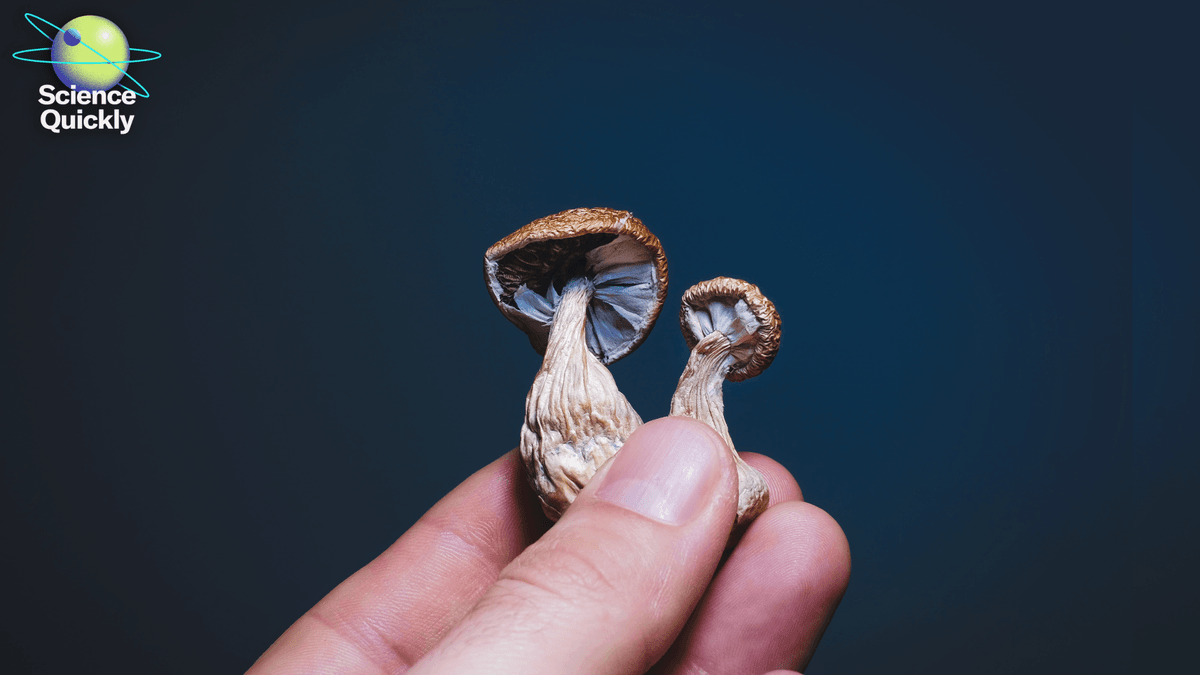
Researchers are exploring whether magic mushrooms could offer a new treatment for anorexia
Read at source →
An investigation into the incomprehensibly, unfathomably large amount of money the U.S. owes
Read at source → Ad
See who you follow, newest first. Free to join. Posts that stay visible — not buried by an algo.
Join siguimi.com →
Growing crystals “like alchemy,” researchers plotted out the ideal site within the lattice to build a nuclear clock
Read at source →
A new study finds that China’s solar energy boom is hurting bird diversity
Read at source →
The area of Europe affected by wildfires is due to triple, a new study finds
Read at source →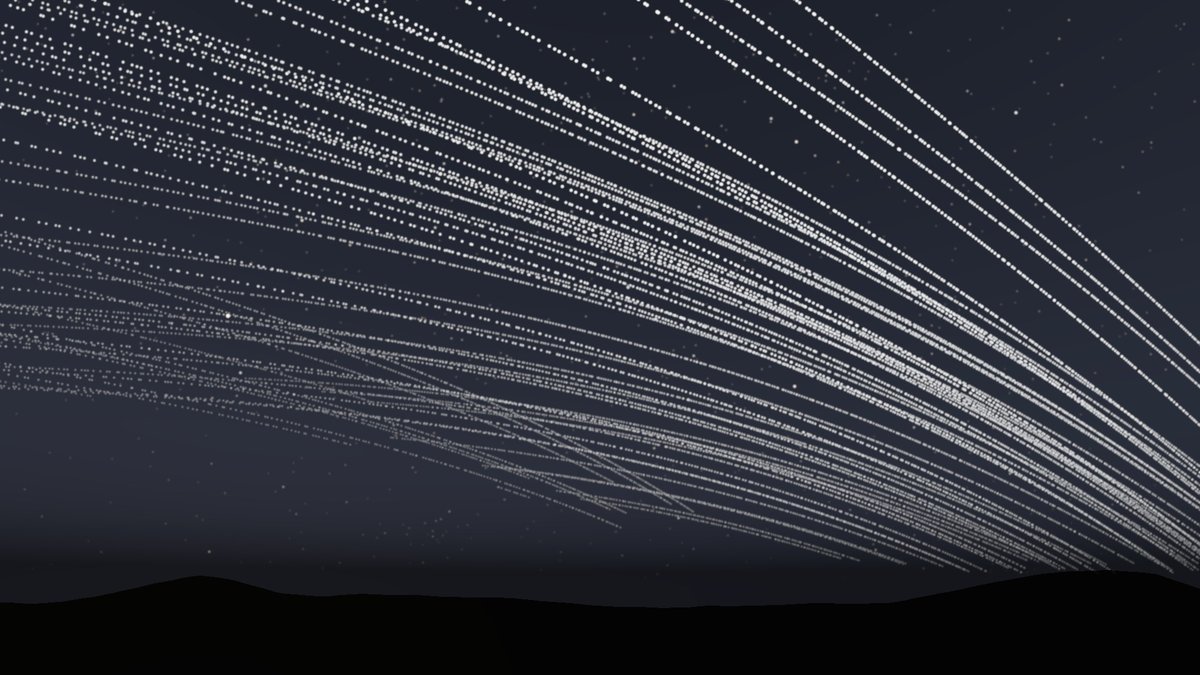
Without drastic interventions, data centers in space could disrupt scientific observations and fragile ecosystems by…
Read at source →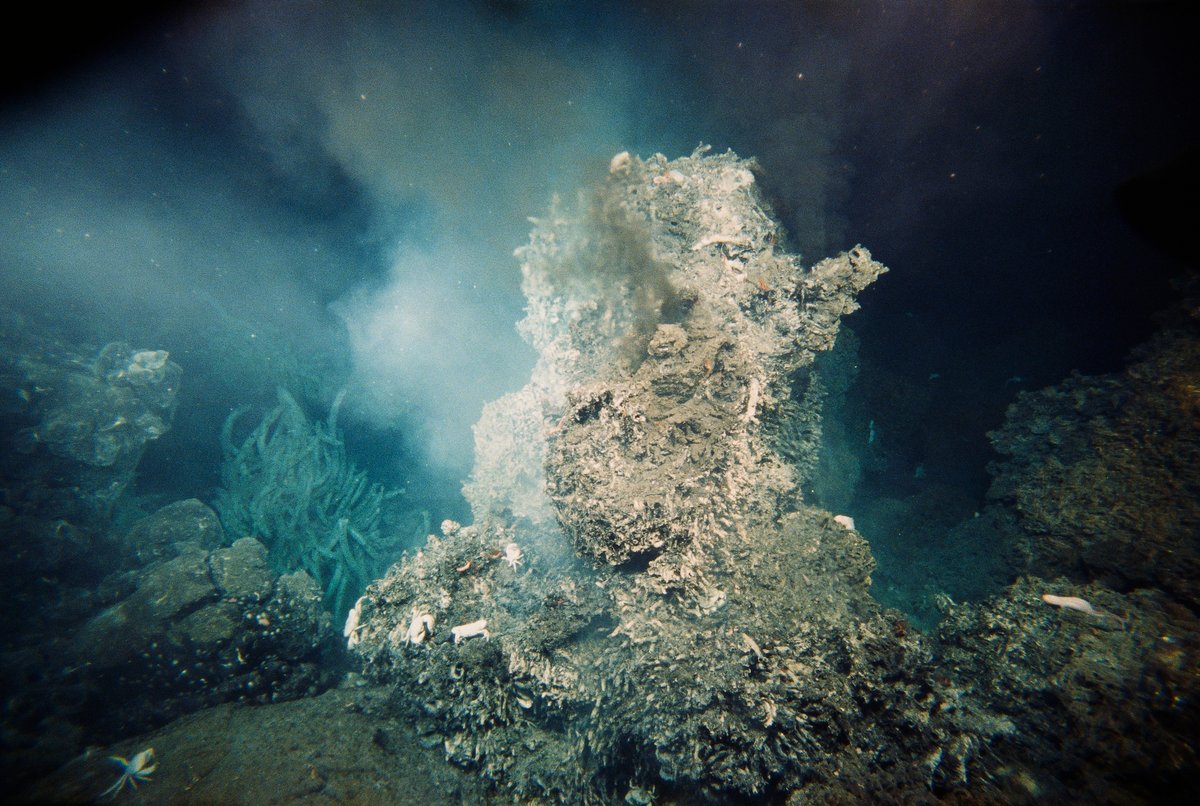
A groundbreaking study hints at a hazy boundary between “life” and “non-life,” as well as two distinct origins of…
Read at source →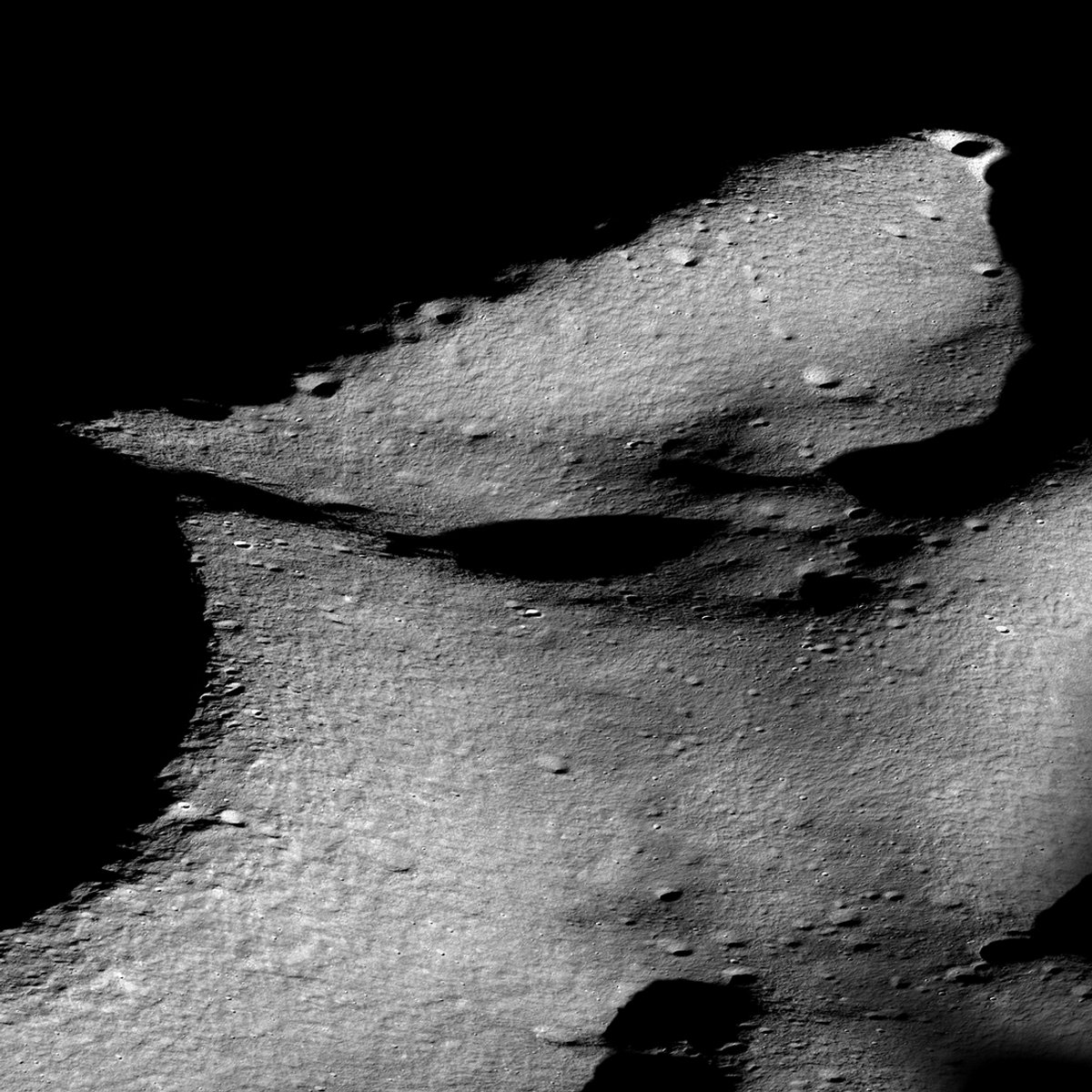
The country’s latest mission, Chang’e 7, will be the first ever to land directly at the moon’s south pole. Whatever it…
Read at source →
Testosterone is a longtime favorite of the bodybuilding crowd, but now the hormone is being touted for perimenopause,…
Read at source →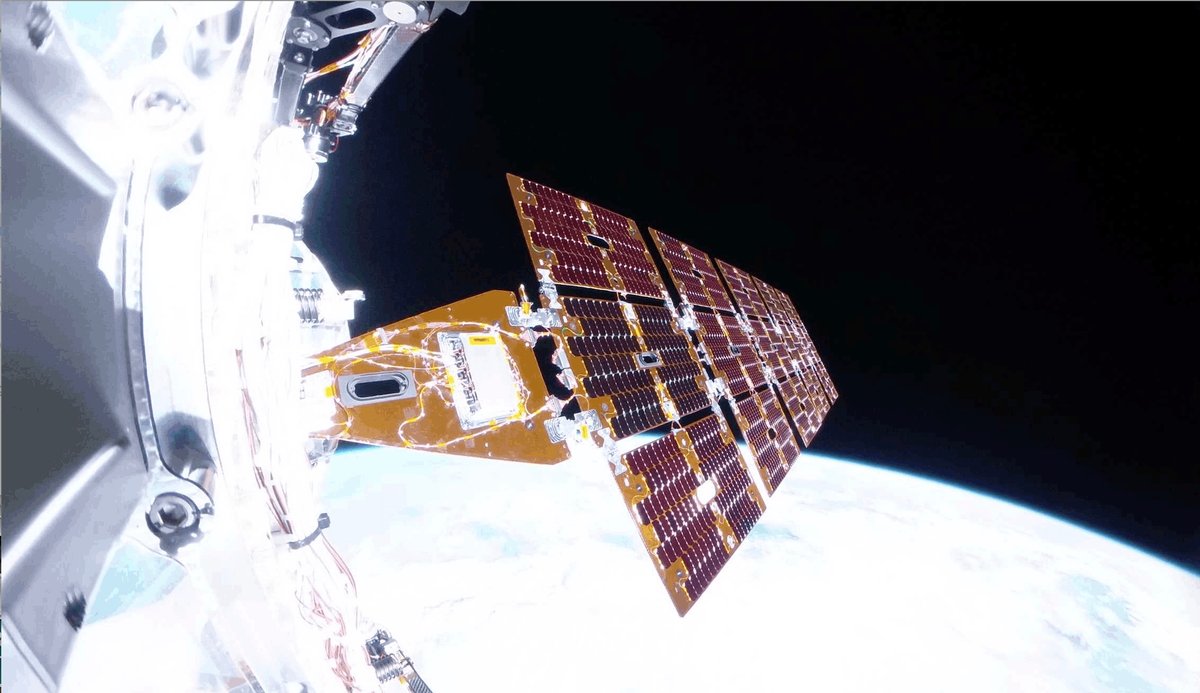
The space agency’s Neil Gehrels Swift Observatory, which studied cataclysmic cosmic explosions, is expected to burn up…
Read at source →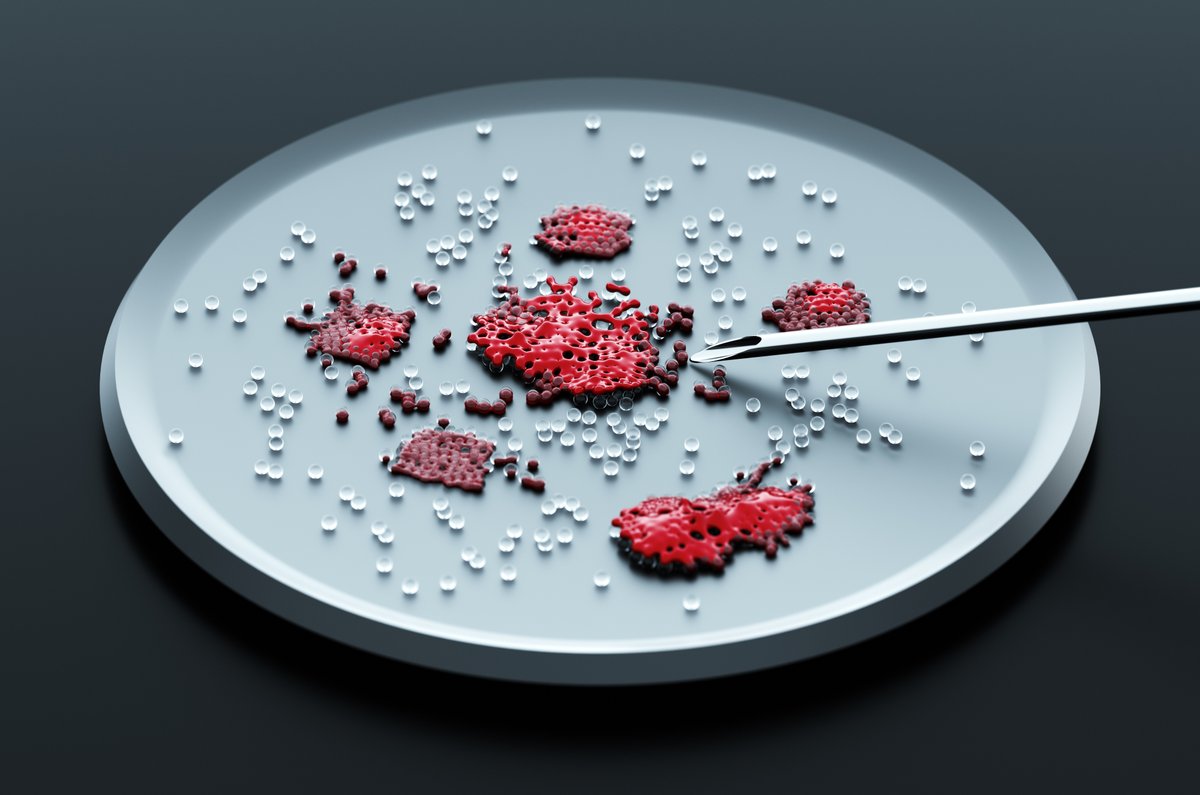
The combined drug works by nudging the body’s own immune system to make proteins that attack and destroy melanoma cells
Read at source →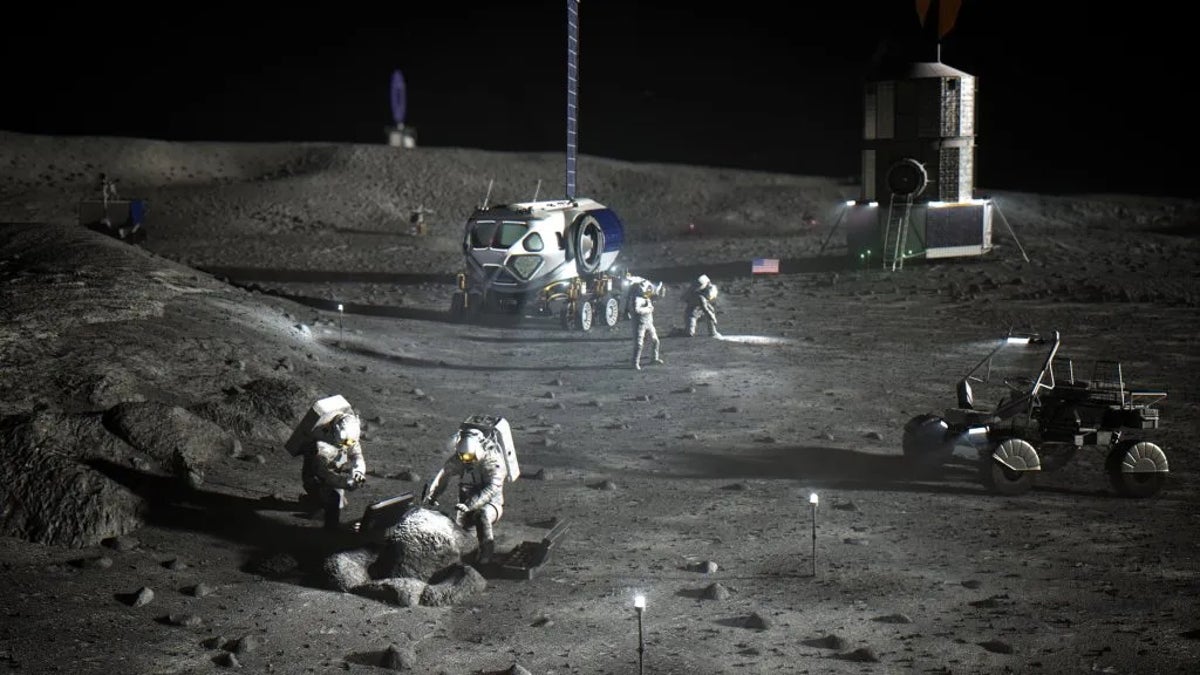
Five common microorganisms found on Earth could survive at the lunar south pole, a new study finds, presenting a…
Read at source →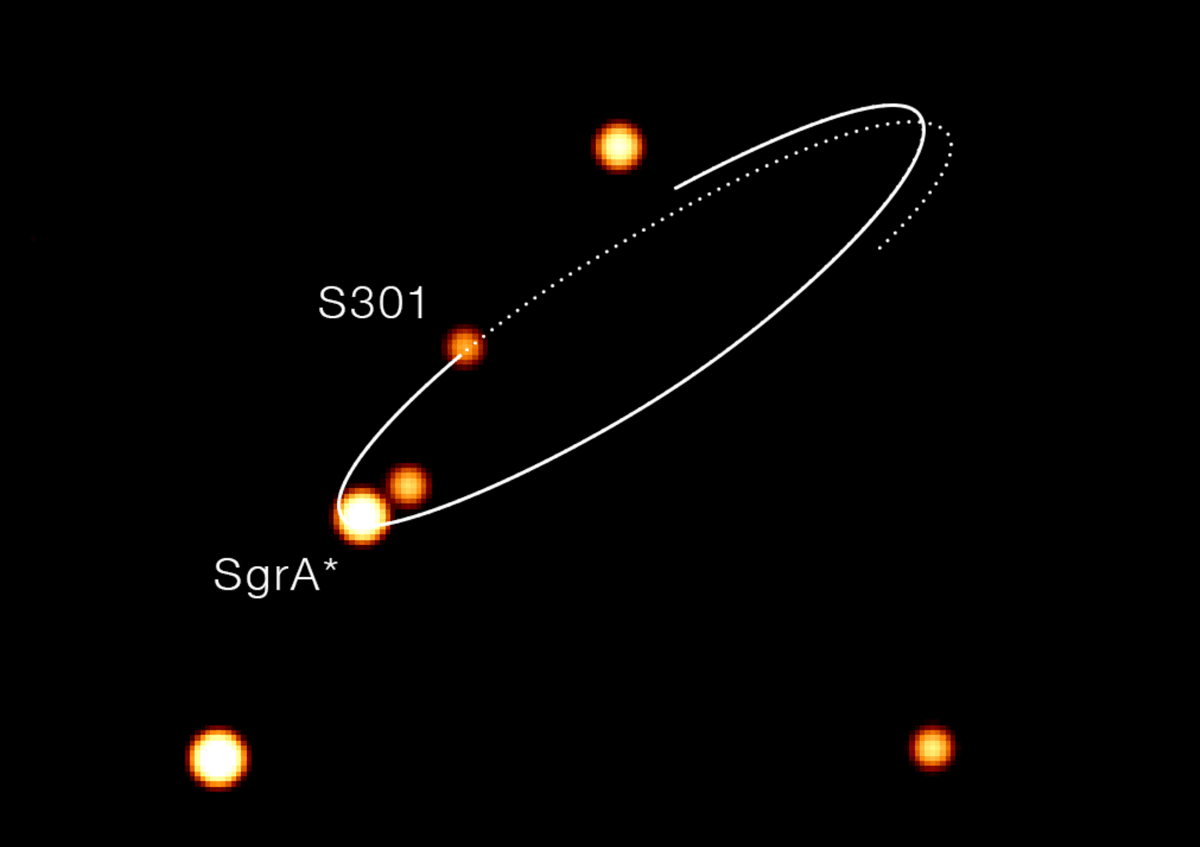
The star S301 swoops so close to our galaxy’s supermassive black hole that it could, for the first time ever, reveal…
Read at source →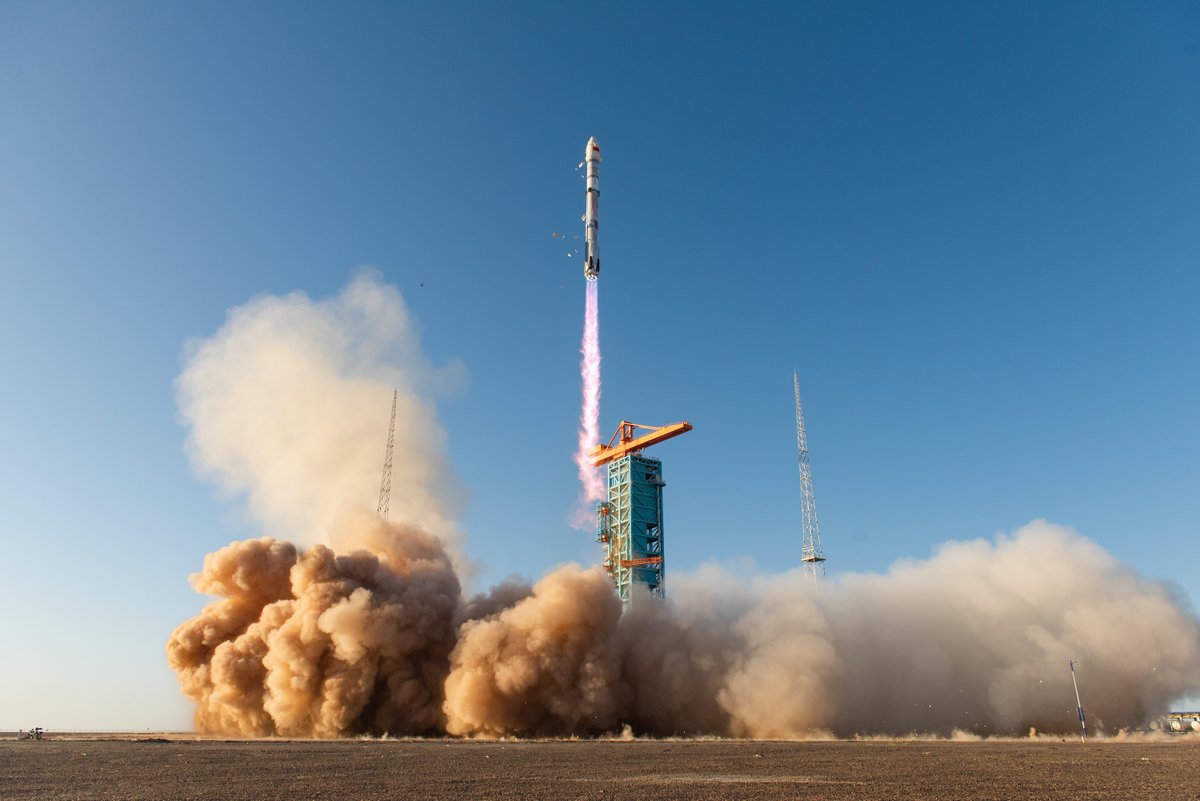
Beijing’s success shows how close China is to the U.S. in the new space race
Read at source →
Overton is a medical doctor with ties to the “Make America Healthy Again” movement
Read at source →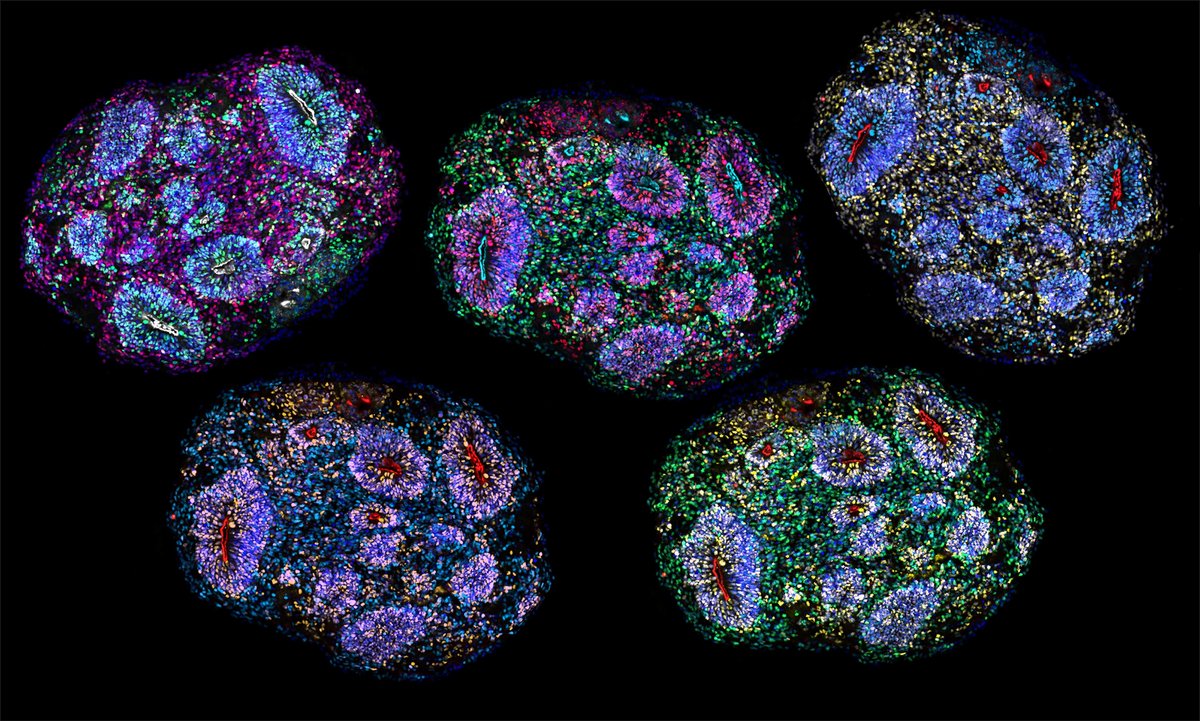
Miniature models of the human brain can be kept alive for years, allowing scientists to study neural development and…
Read at source →
Psychedelics can create a new “hidden order” in brain activity that could explain how these drugs alter our sense of…
Read at source →
Could this secret cellular weapon be the key to longevity?
Read at source →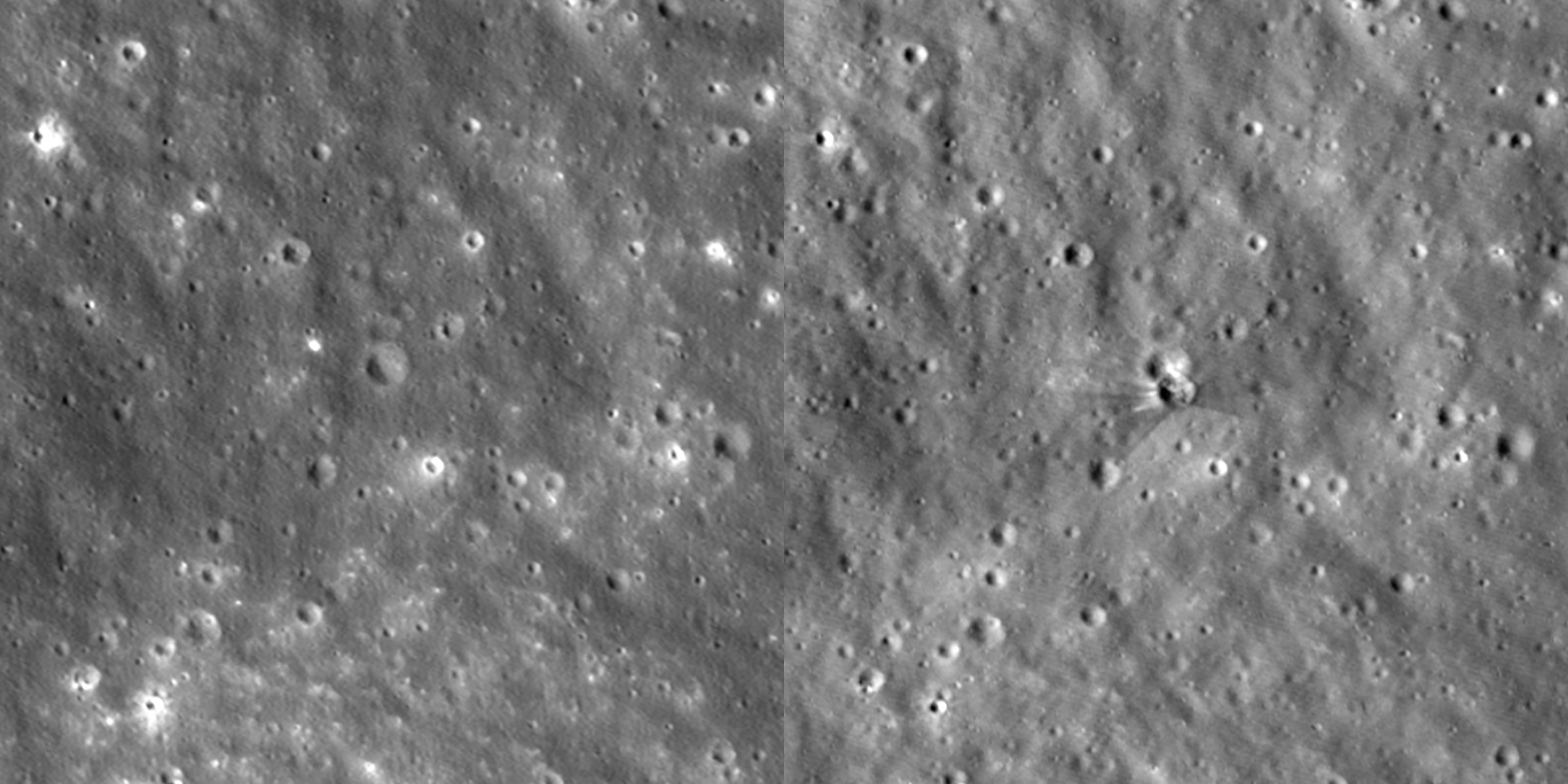
The SpaceX rocket fragment hit the moon at several times the speed of sound on August 5
Read at source →
Moiya McTier explores what makes human creativity unique in the age of AI
Read at source →
The 2001 Roadless Area Conservation Rule protects the nation’s forests from logging and other industry activities
Read at source →
Cryptographers use points along a curve to build tough codes
Read at source →
The unicorn of the sea’s spiral tooth has long been a scientific enigma
Read at source →The same people affected by extreme weather are also likely to worry that they will face a future disaster, according…
Read at source →Two new missions are revealing how robotic repair and assembly could become routine on the final frontier
Read at source →A recent change in ownership is an opportunity for SciAm to be even better and have some fun
Read at source →SpaceX and other companies want to put millions of satellites into space. Could orbit run out of room?
Read at source →Letters to the editors for the April 2026 issue of Scientific American
Read at source →The conservative think tank’s report claims that high-intensity and elite sports training has lasting effects on…
Read at source →Here are four reasons solar energy has seen a meteoric rise in recent years
Read at source →Golden Dome’s most audacious element would require a vast constellation of weapons that does not yet exist. Defense…
Read at source →Zipline’s tethered delivery system lowers packages from the sky. Now it has to show that people want the service
Read at source →Neuroscience is revealing how our brains are wired for narrative
Read at source →
