

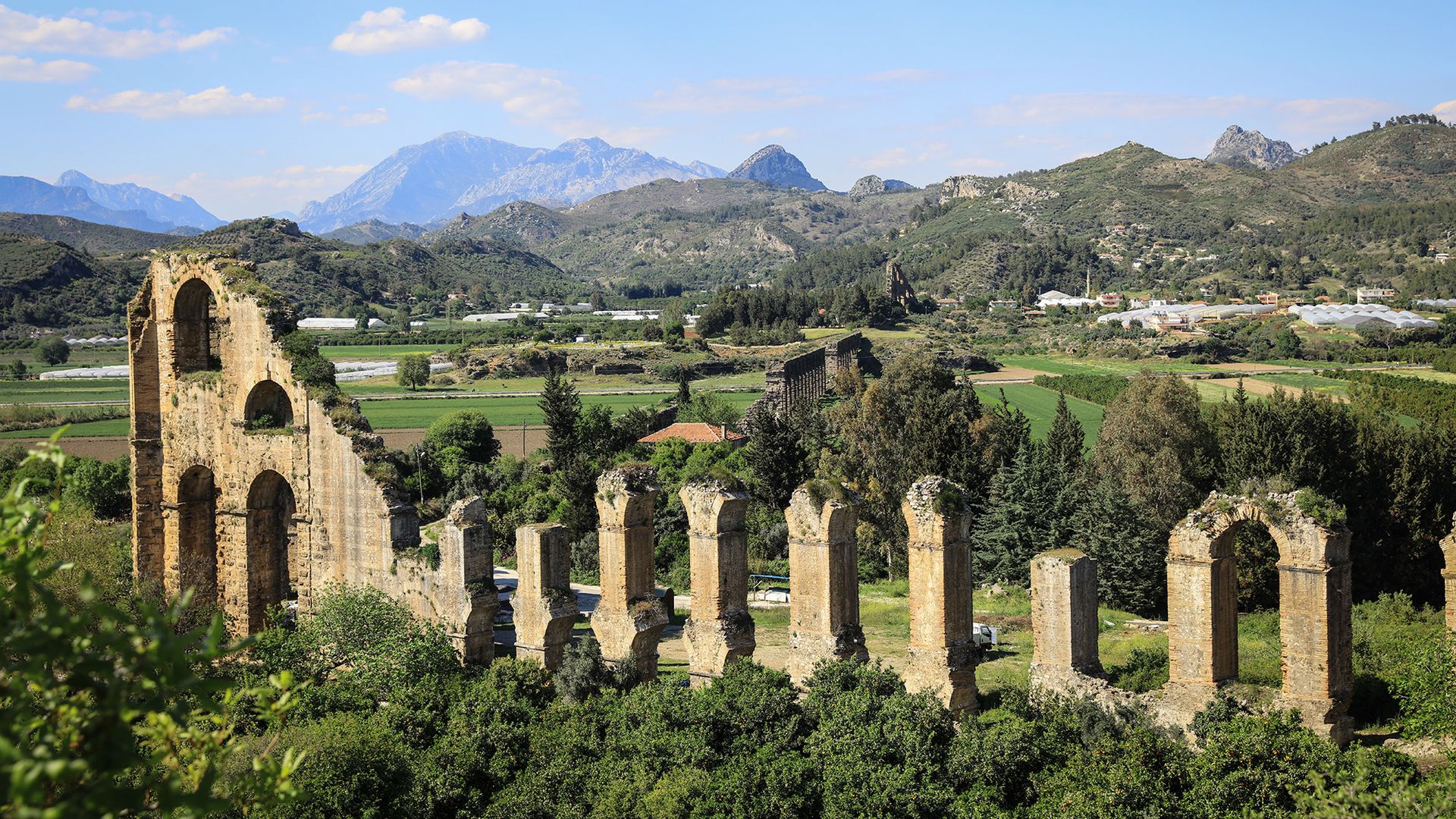
How did Roman aqueducts get water to go uphill?
Roman aqueducts used gravity to transport water. So how did they get it to go uphill?
Read at source →Source
Science news and features
Science · 592 articles · page 3 of 17 · fetched 2 minutes ago
Roman aqueducts used gravity to transport water. So how did they get it to go uphill?
Read at source →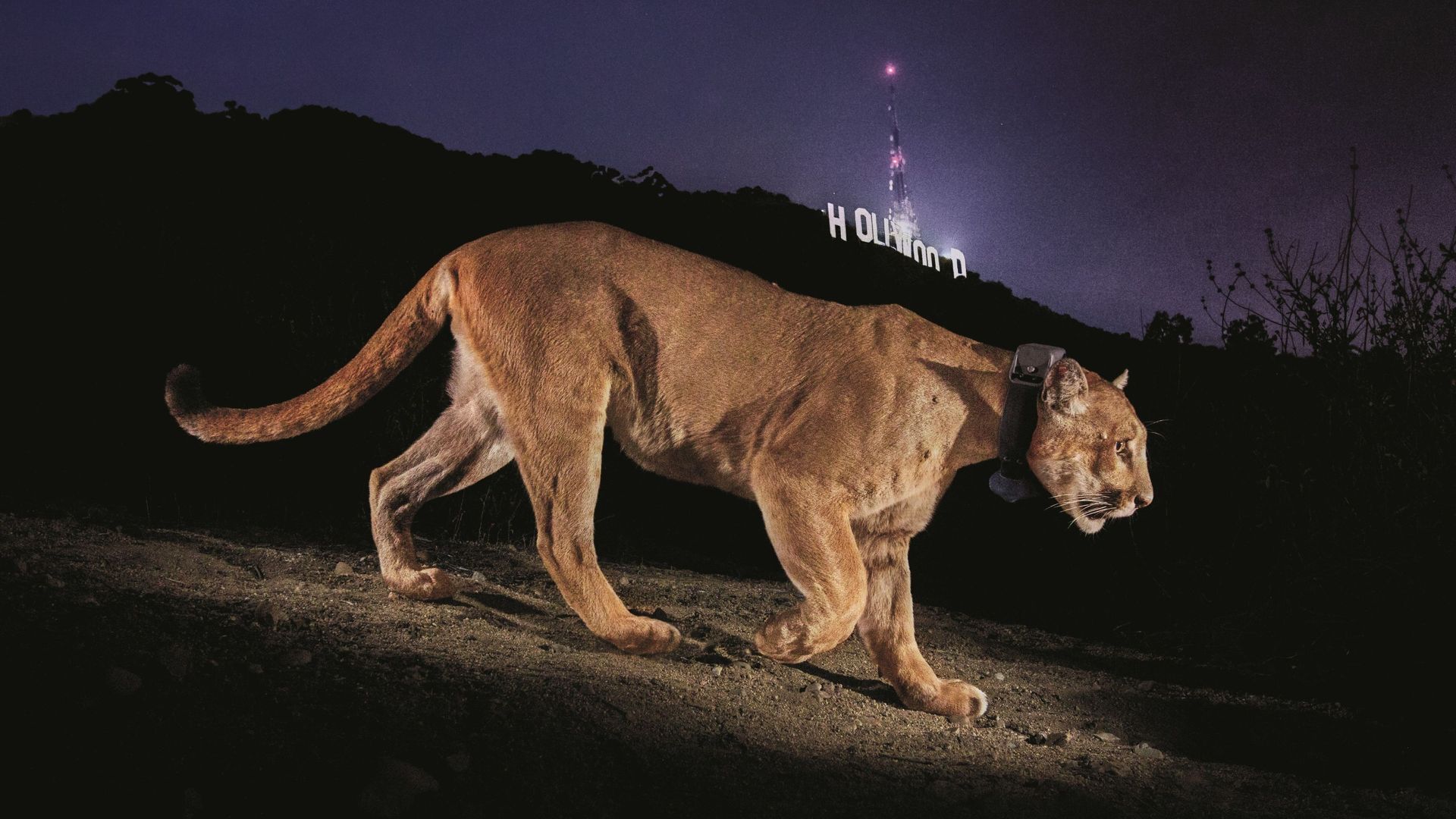
Live Science spoke with Steve Winter ahead of the release of "Big Cats."
Read at source →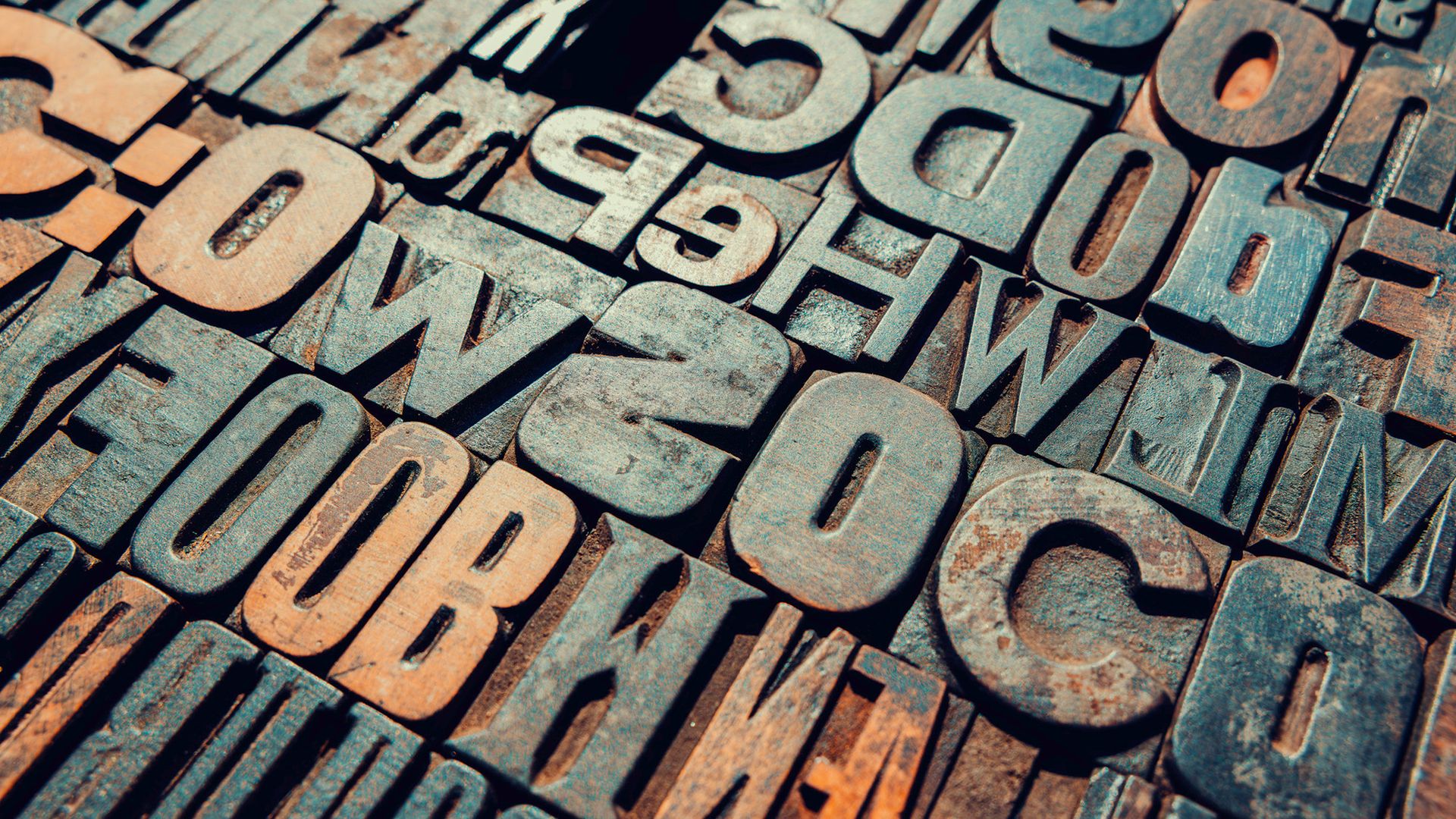
The written word has been revolutionary in preserving ideas from the past, and transmitting new ones in the present.…
Read at source → Ad
See who you follow, newest first. Free to join. Posts that stay visible — not buried by an algo.
Join siguimi.com →
Flu tests are coming back positive at higher rates than is typical for early fall in several Western states, data…
Read at source →
Car technology is making rapid advances, and the car you will drive in 10 years may be very different from the one…
Read at source →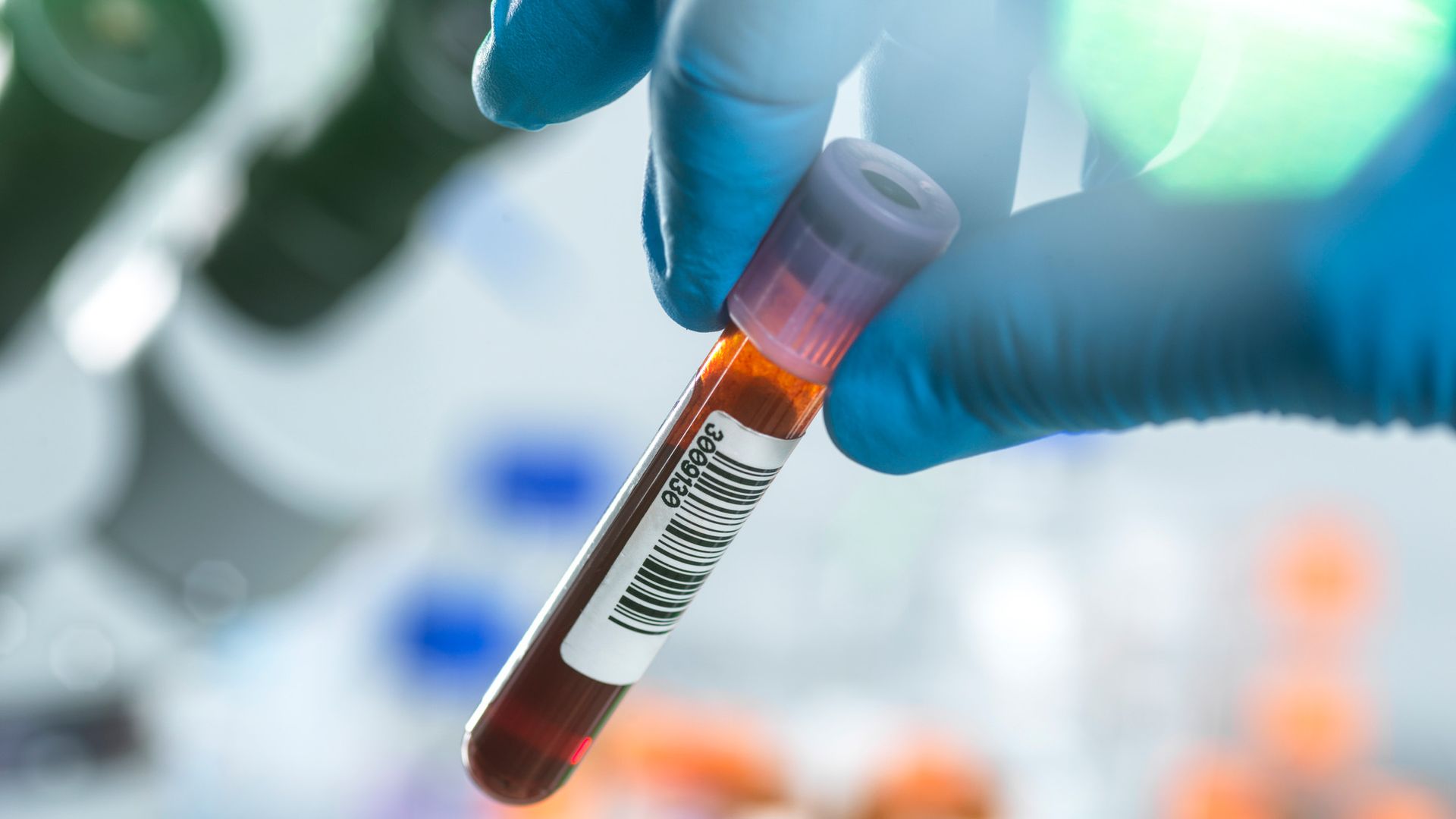
Having a certain ratio of proteins produced by immune cells in your blood is linked to a higher risk of age-related…
Read at source →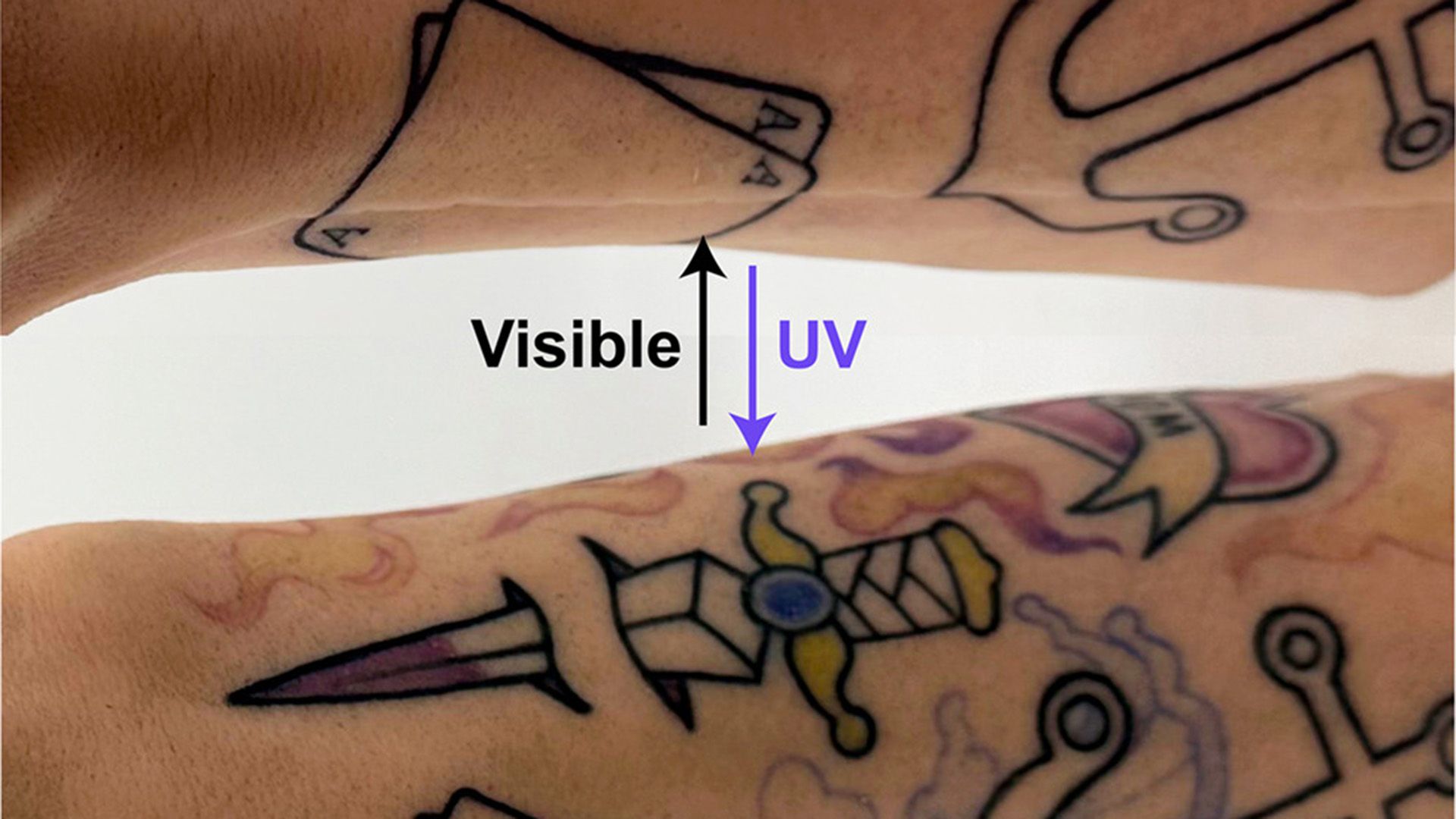
Researchers created multicolored tattoo inks that are activated by different wavelengths of light, allowing people to…
Read at source →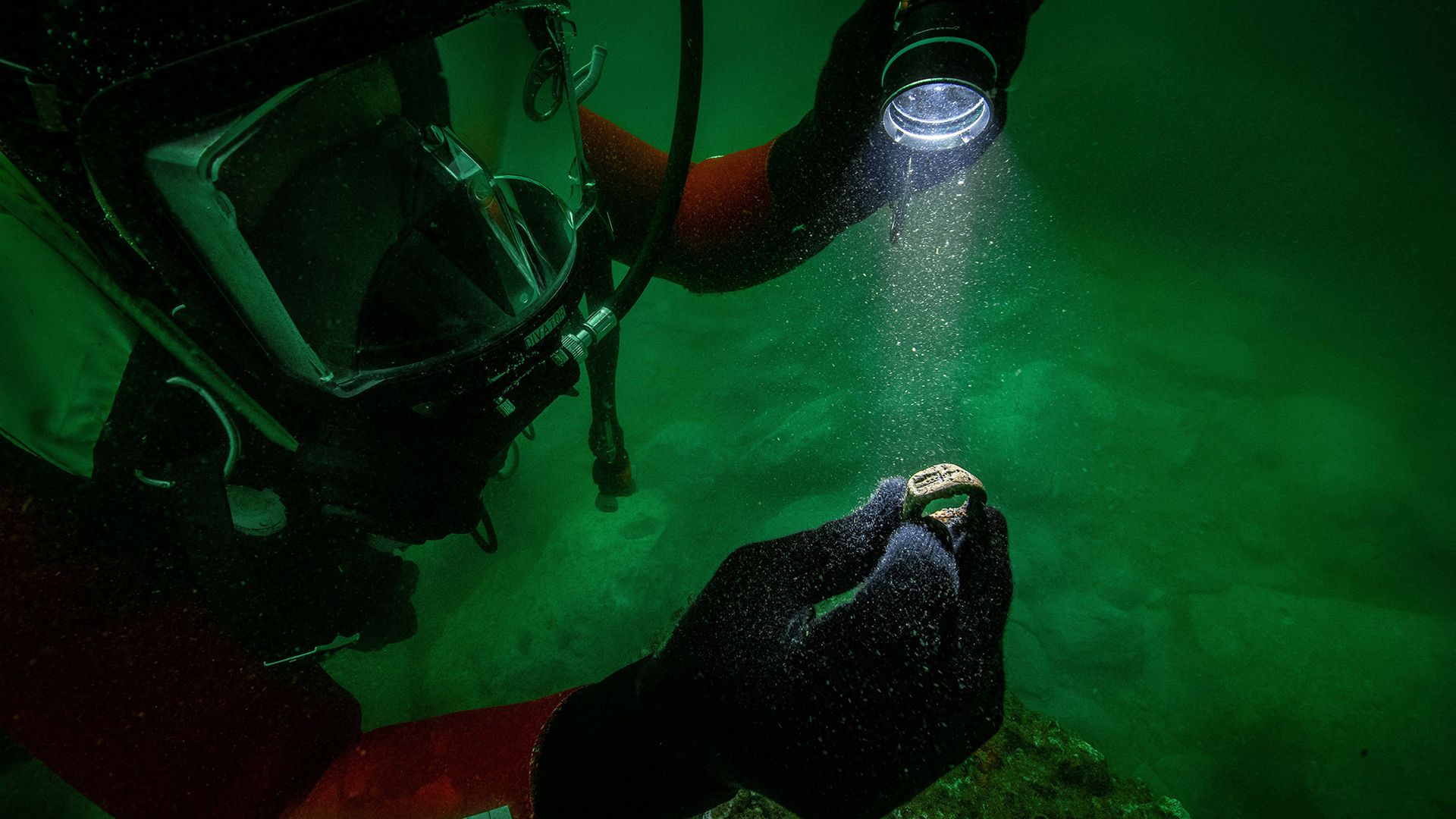
A bronze ring that depicts the Lighthouse of Alexandria has been discovered underwater in the remains of an ancient…
Read at source →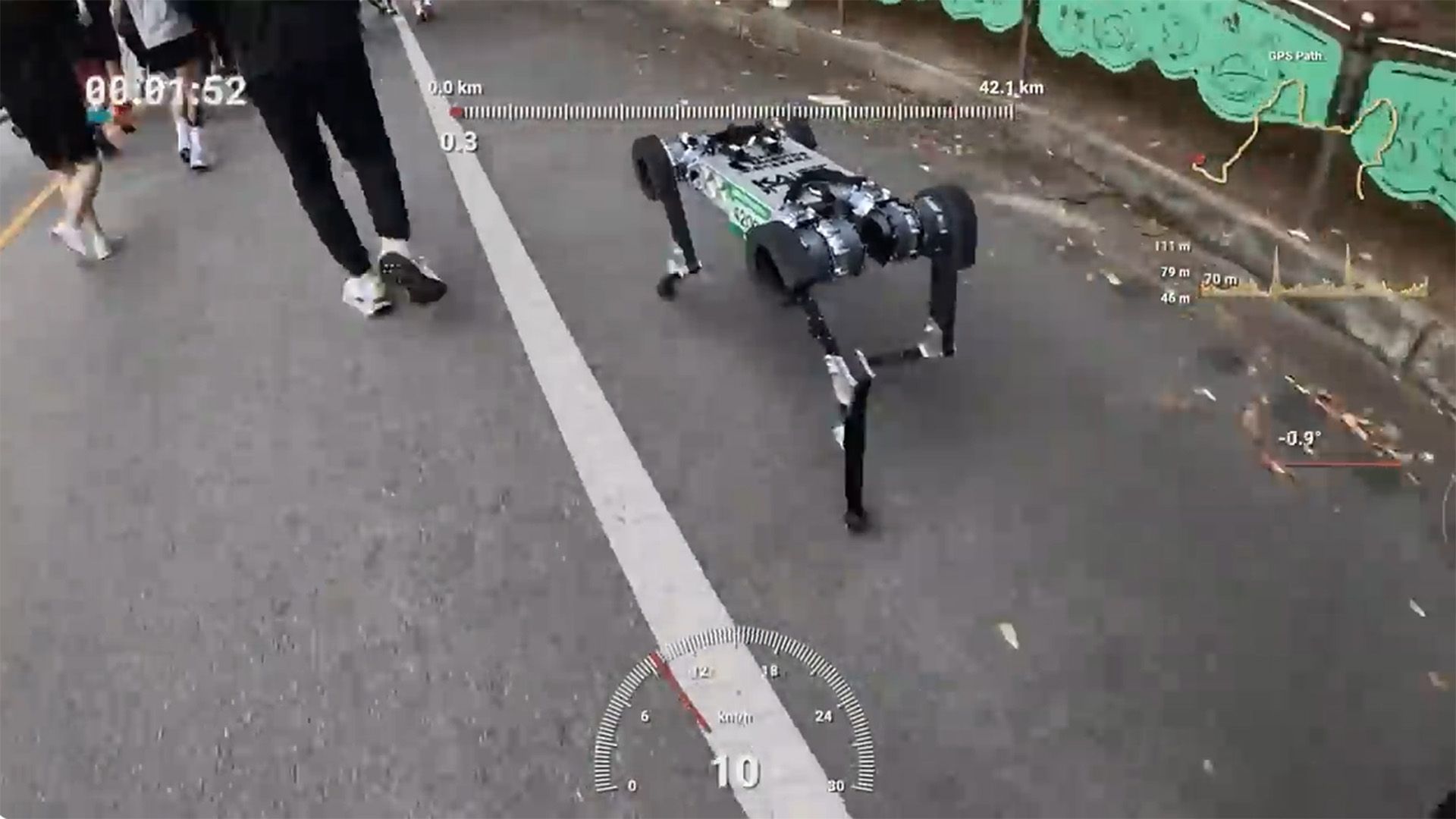
A quadruped robot scampered more than 26.2 miles of uneven, hilly terrain alongside human runners without needing to be…
Read at source →
A new study that tracked dogs' aging by reading tiny chemical tags on their DNA found that larger dogs aged more…
Read at source →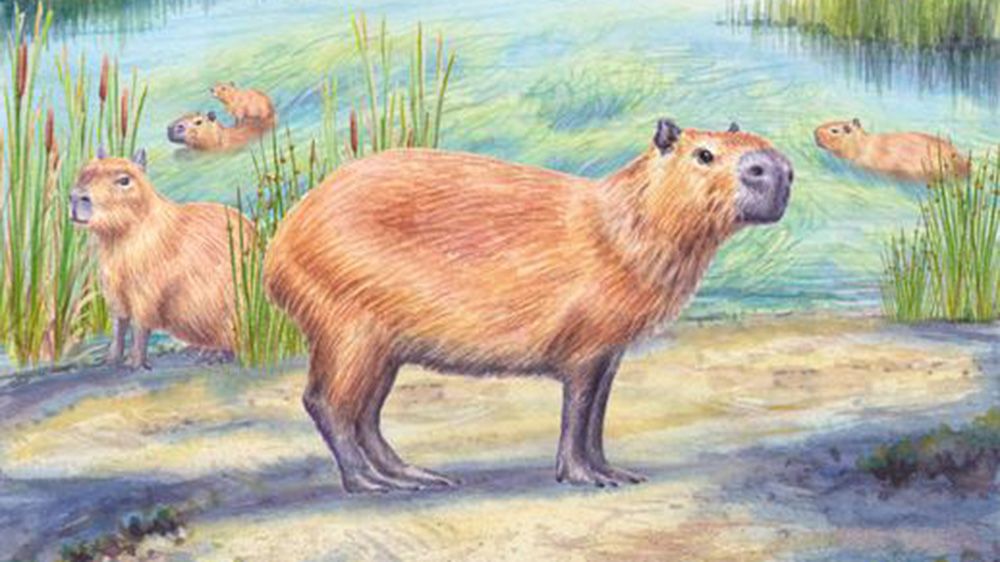
A 9 million-year-old capybara tooth was found in the Atacama Desert, a surprising find given that these rodents love…
Read at source →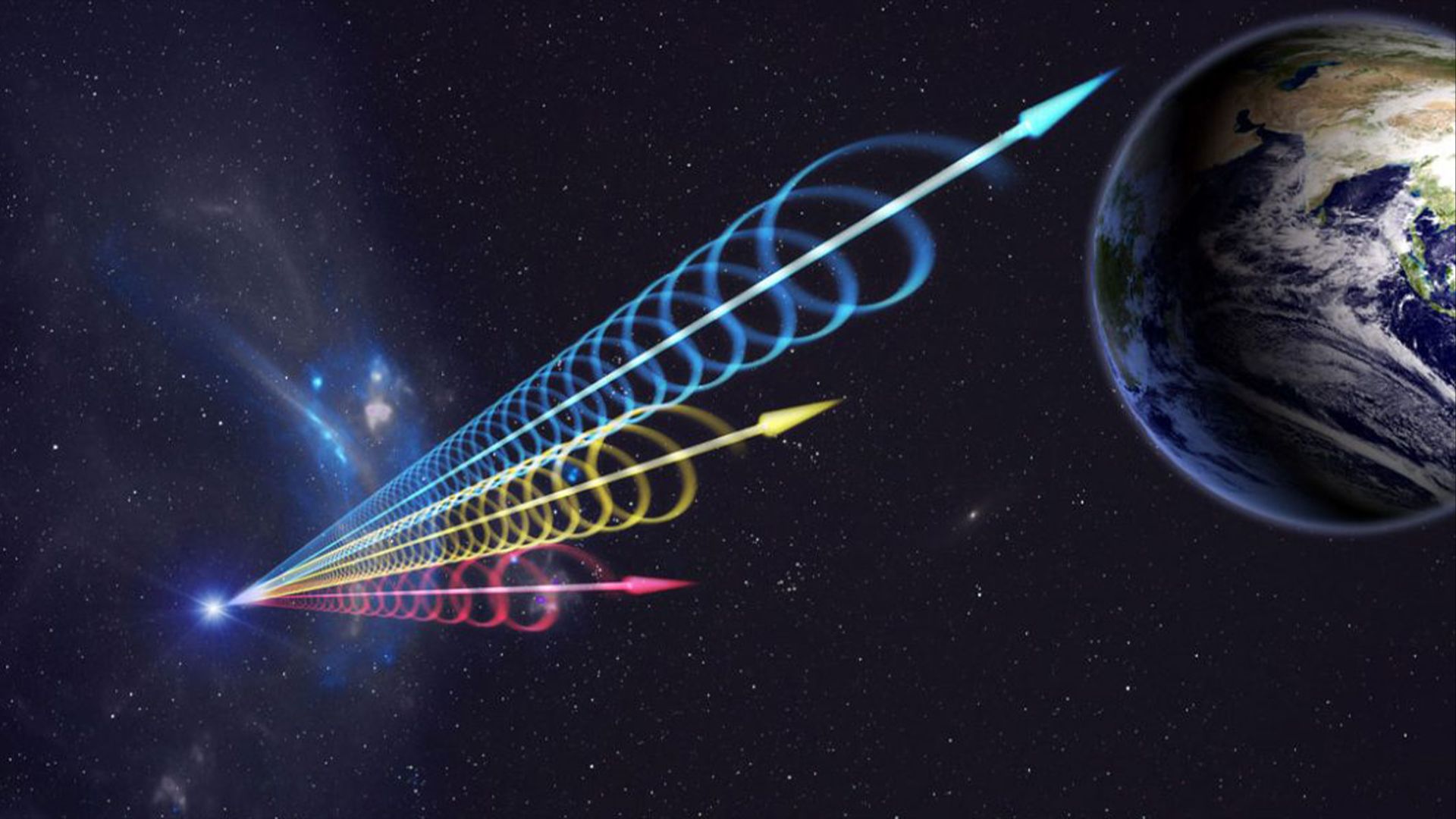
The James Webb Space Telescope has detected the farthest "fast radio burst" ever seen, providing more clues about these…
Read at source →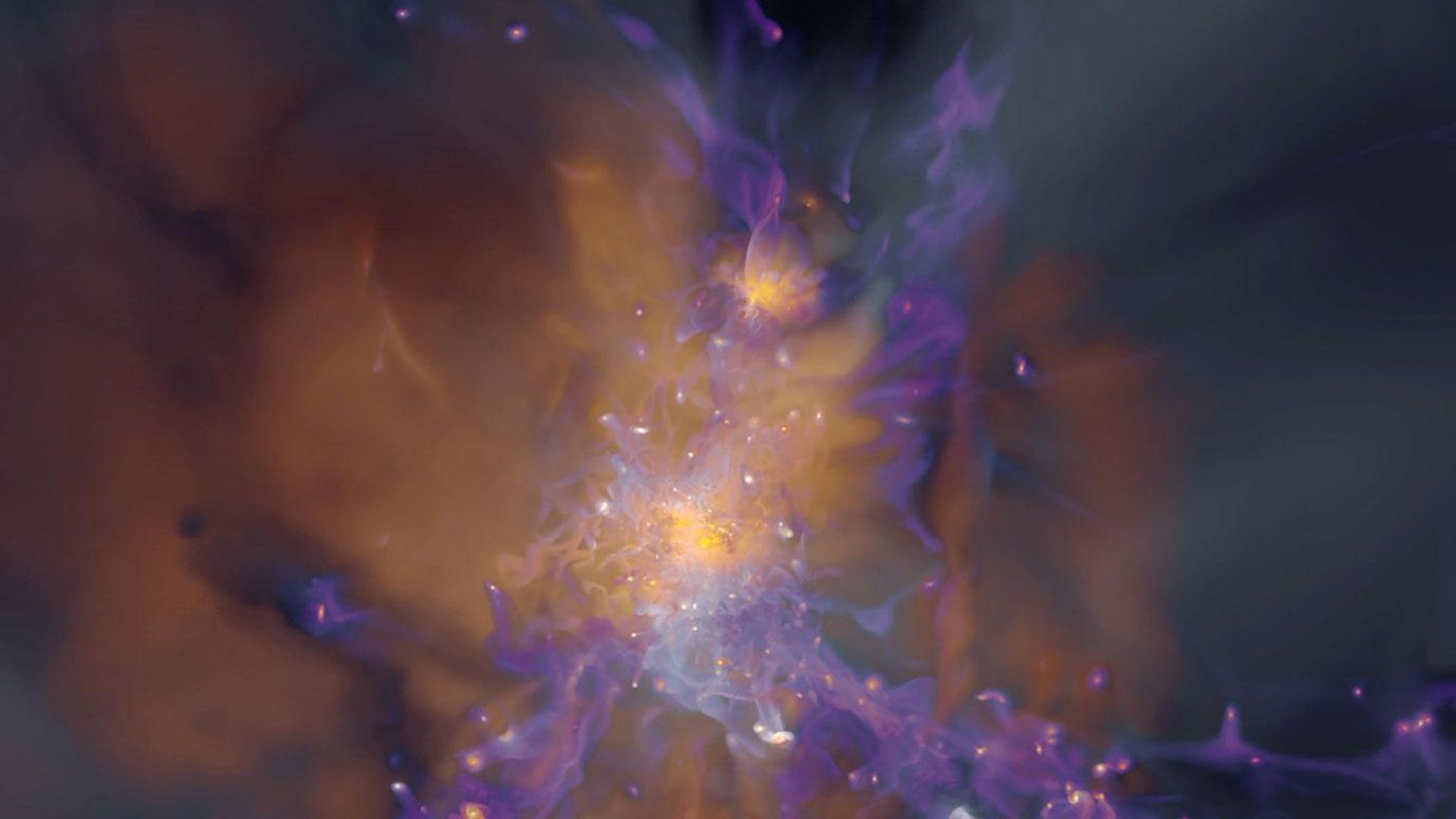
A new supercomputer simulation traces how thousands of small galaxies eventually became the Milky Way.
Read at source →
Scientists have developed various AI tools to measure people's biological ages. Would you use one?
Read at source →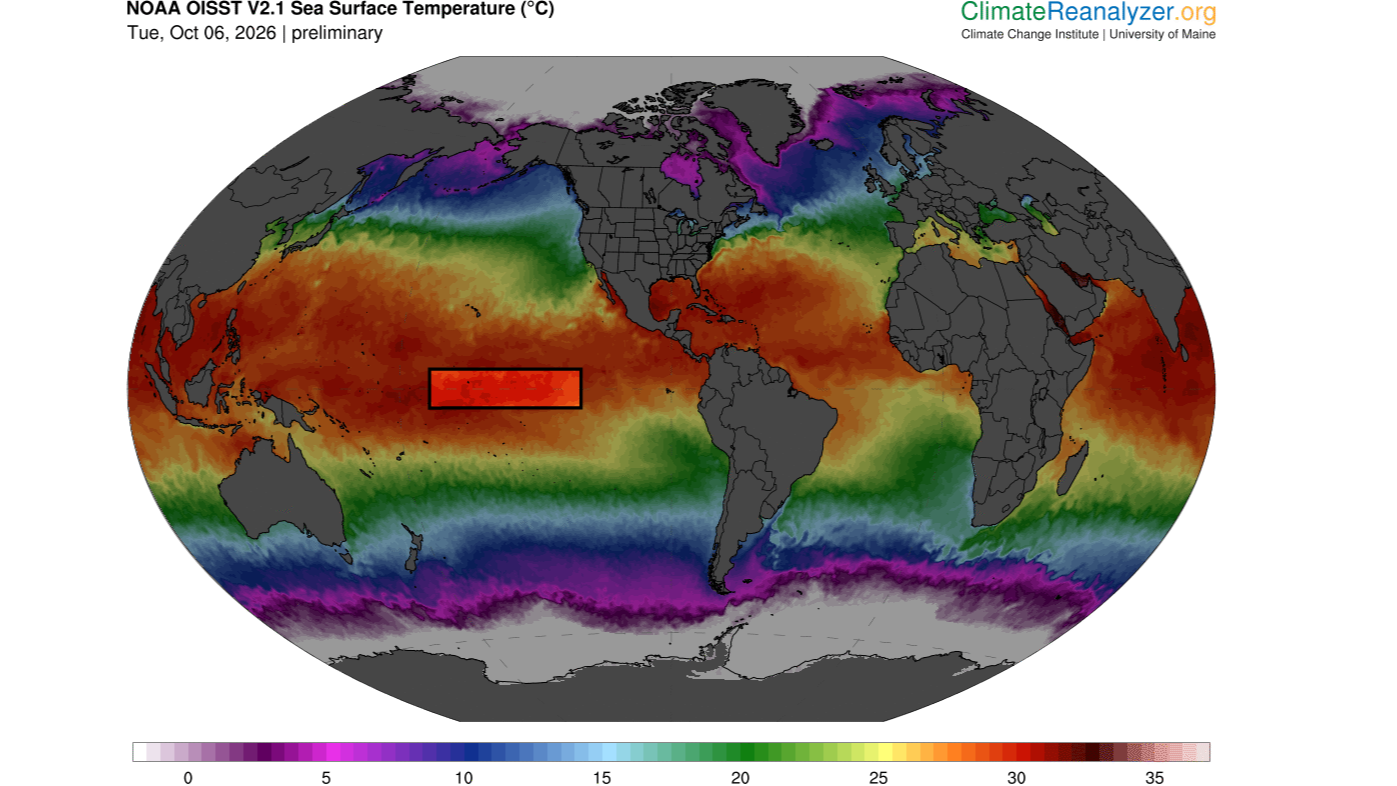
The sea surface temperature in a key El Niño region has exceeded 86 degrees F for the first time on record, hinting…
Read at source →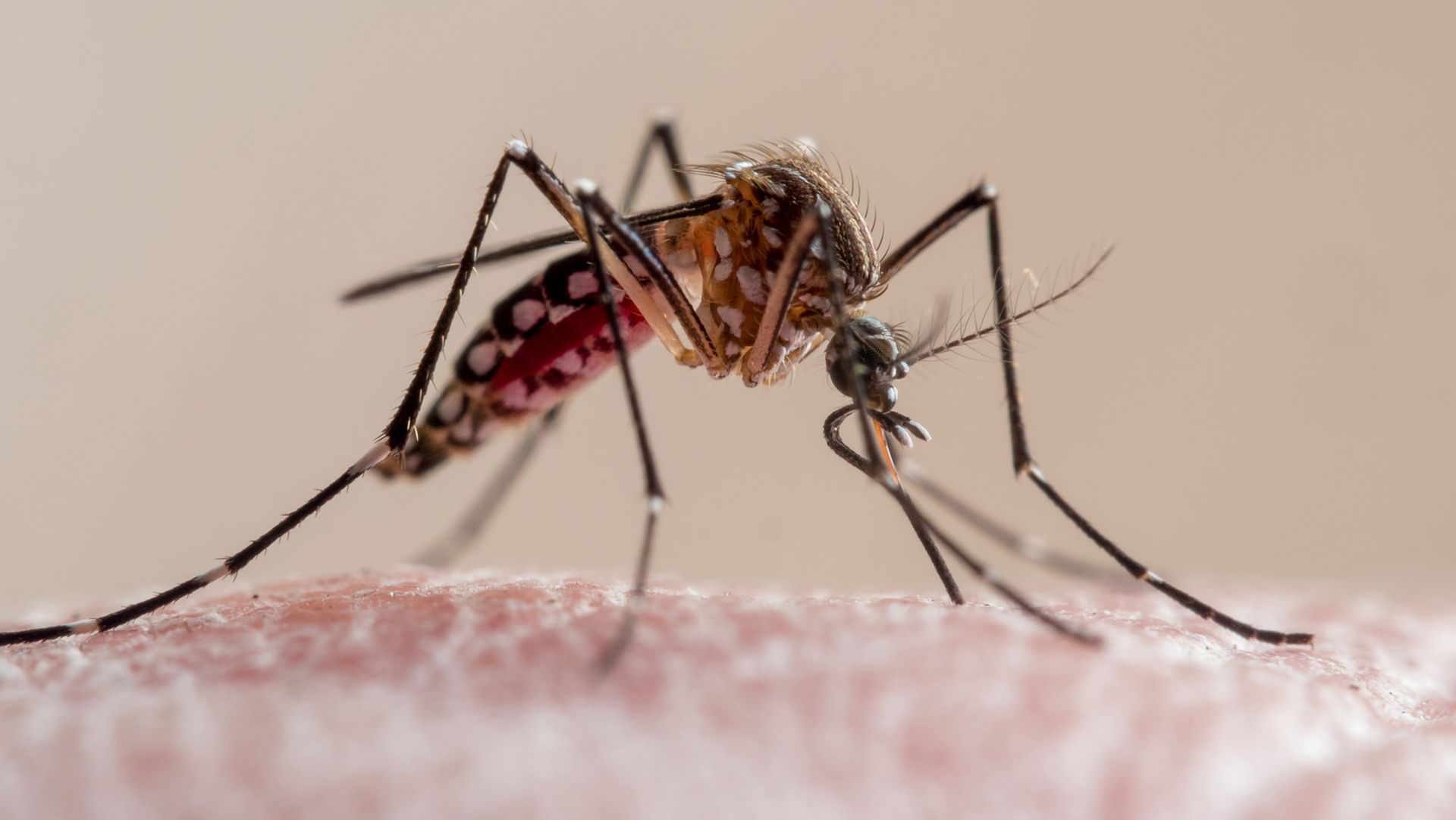
Dengue fever infections are booming in Florida this year, with more local cases than usual and the state's first…
Read at source →
OpenAI says its newly launched GPT-6 Astra model brings humanity to the threshold of AGI, but external evaluators argue…
Read at source →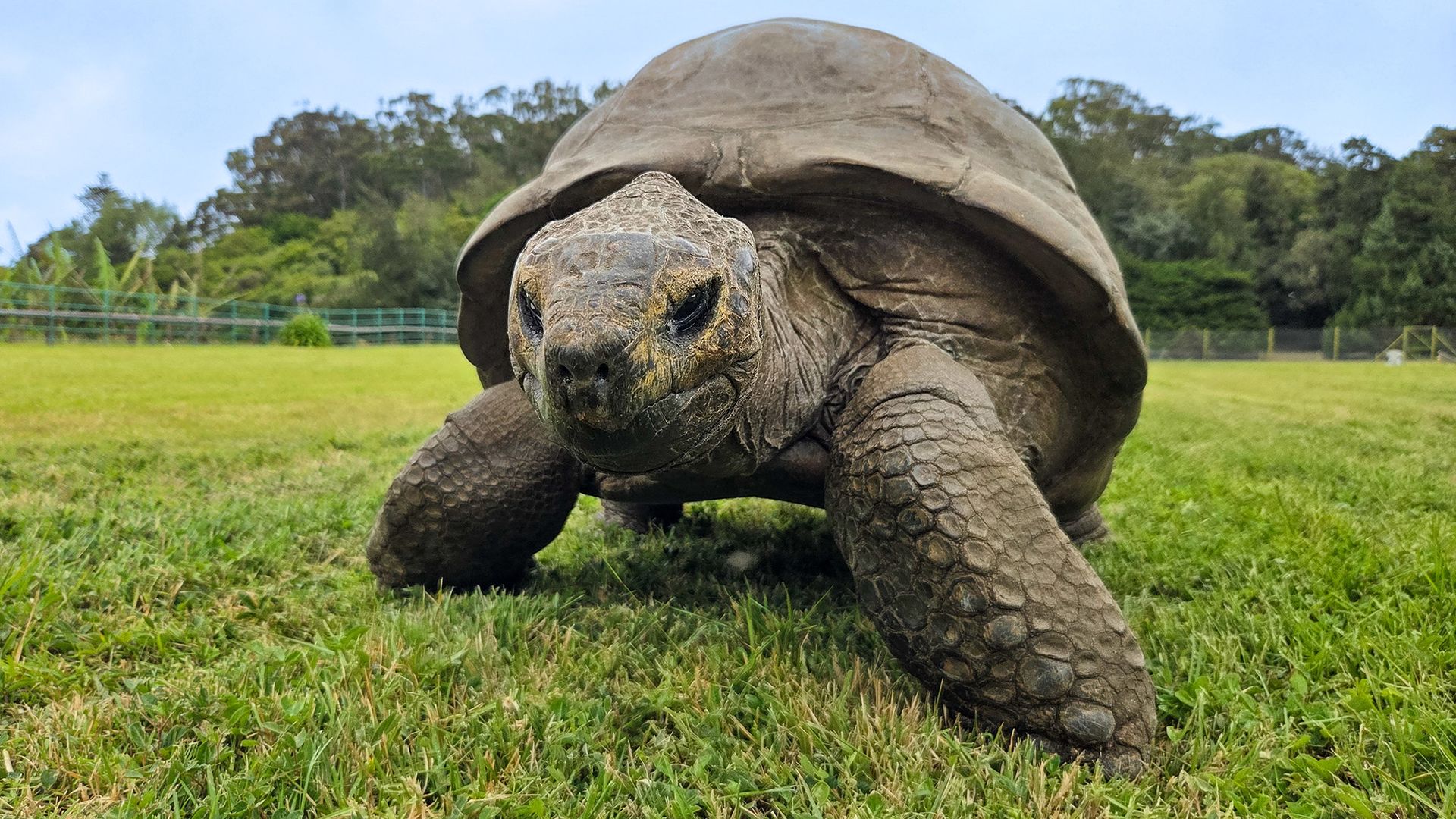
DNA samples from Jonathan the 194-year-old tortoise reveal gene variants and epigenetic changes that could contribute…
Read at source →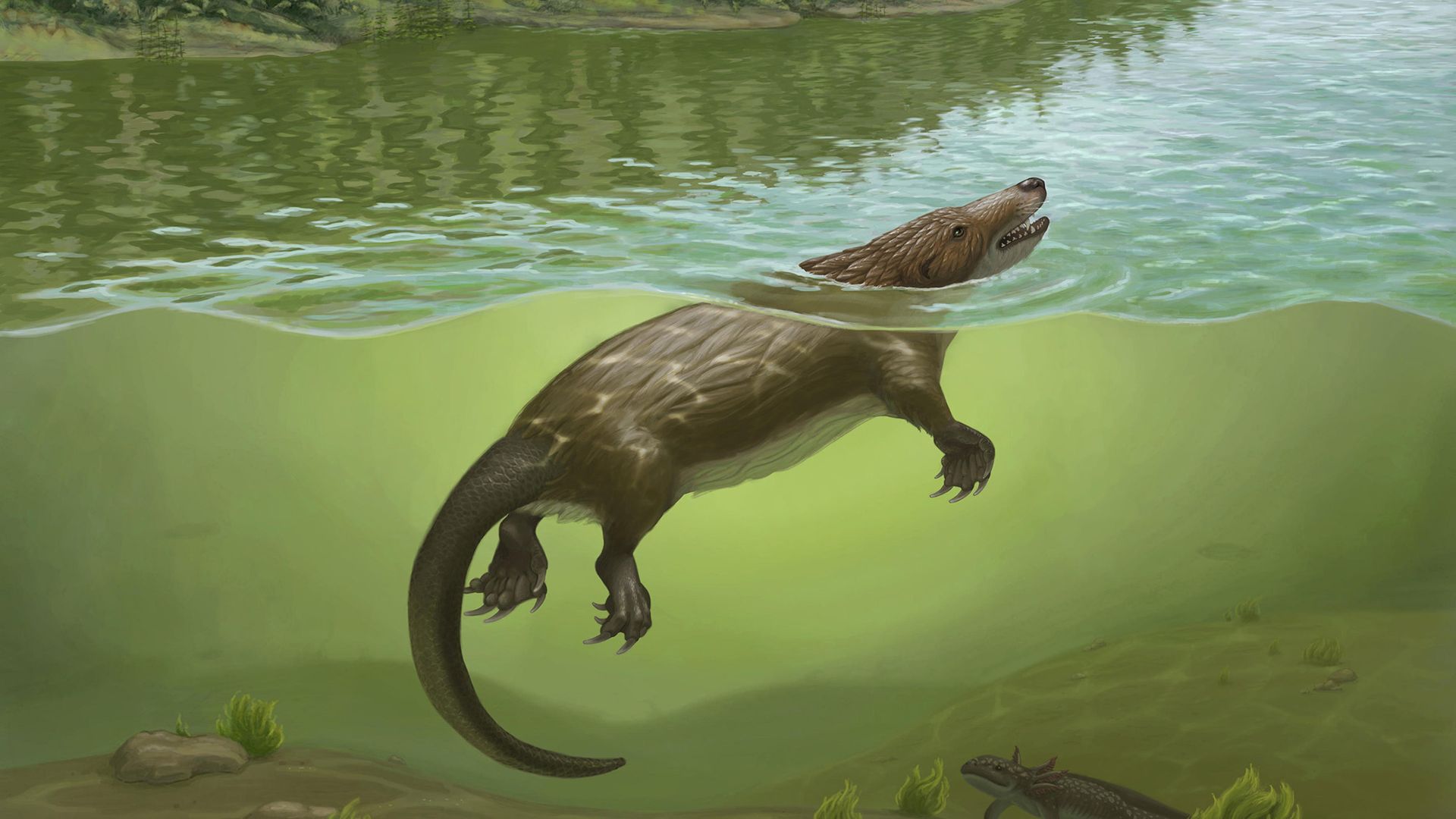
A predatory mammal-like animal from the Jurassic seems to have characteristics of both a platypus and an otter.
Read at source →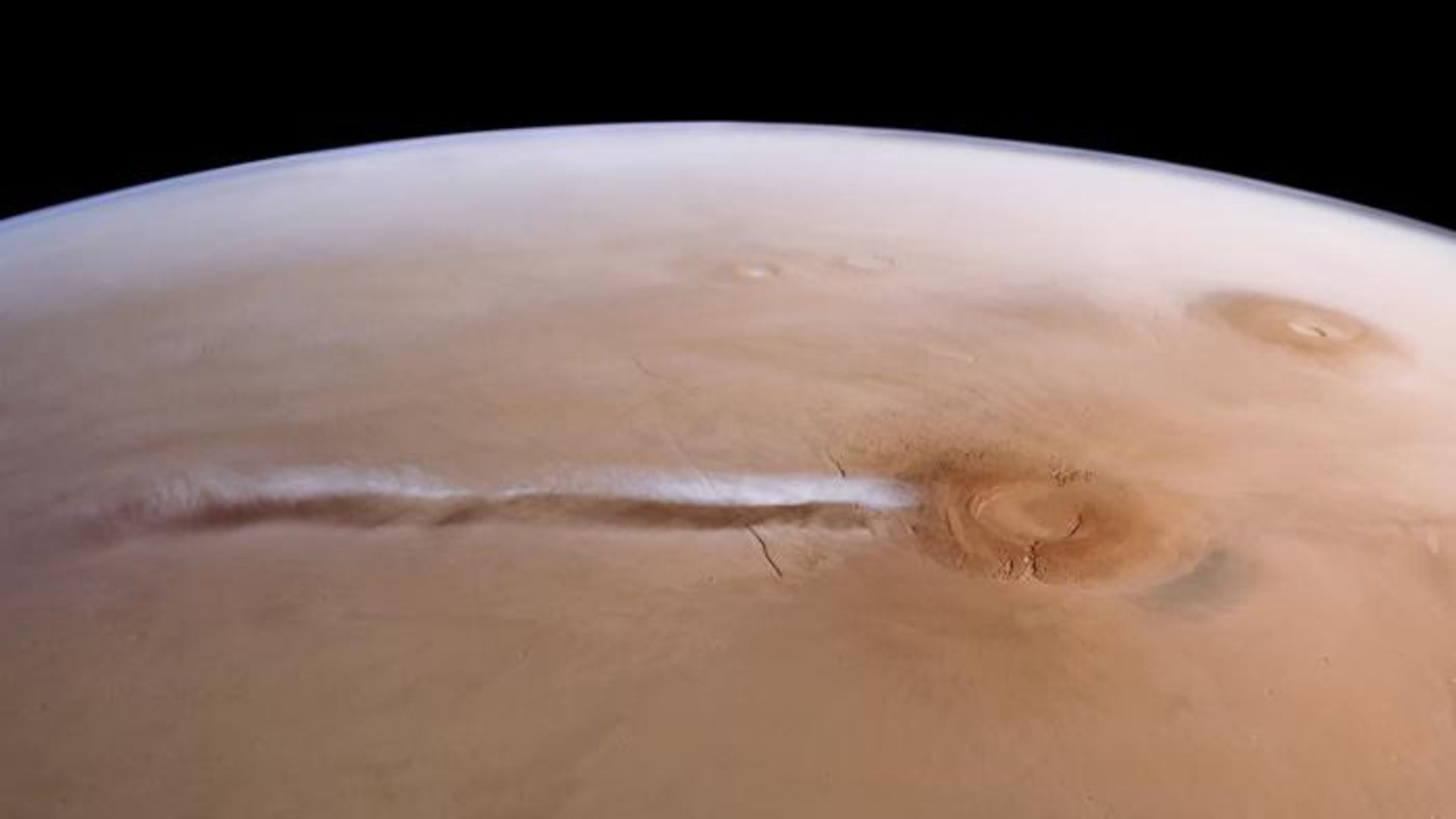
New simulations suggest that the perplexing Arsia Mons Elongated Cloud (AMEC) repeatedly emerges in the Red Planet's…
Read at source →
With extreme weather conditions becoming more frequent, having a disaster kit and other emergency plans can be…
Read at source →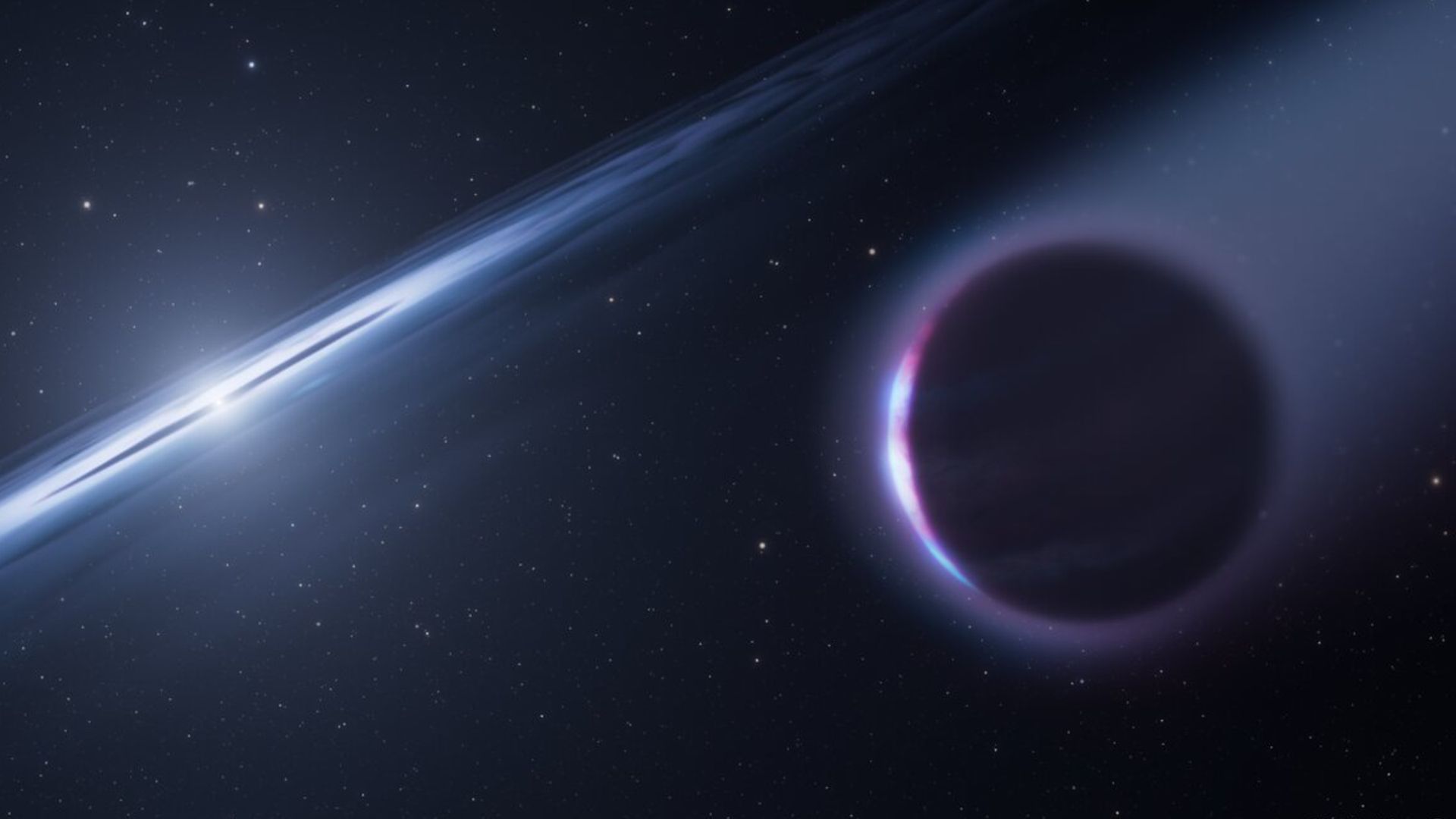
Astronomers have spotted a rare "second-generation" exoplanet closely orbiting the nearby white dwarf HS 0209+0832. An…
Read at source →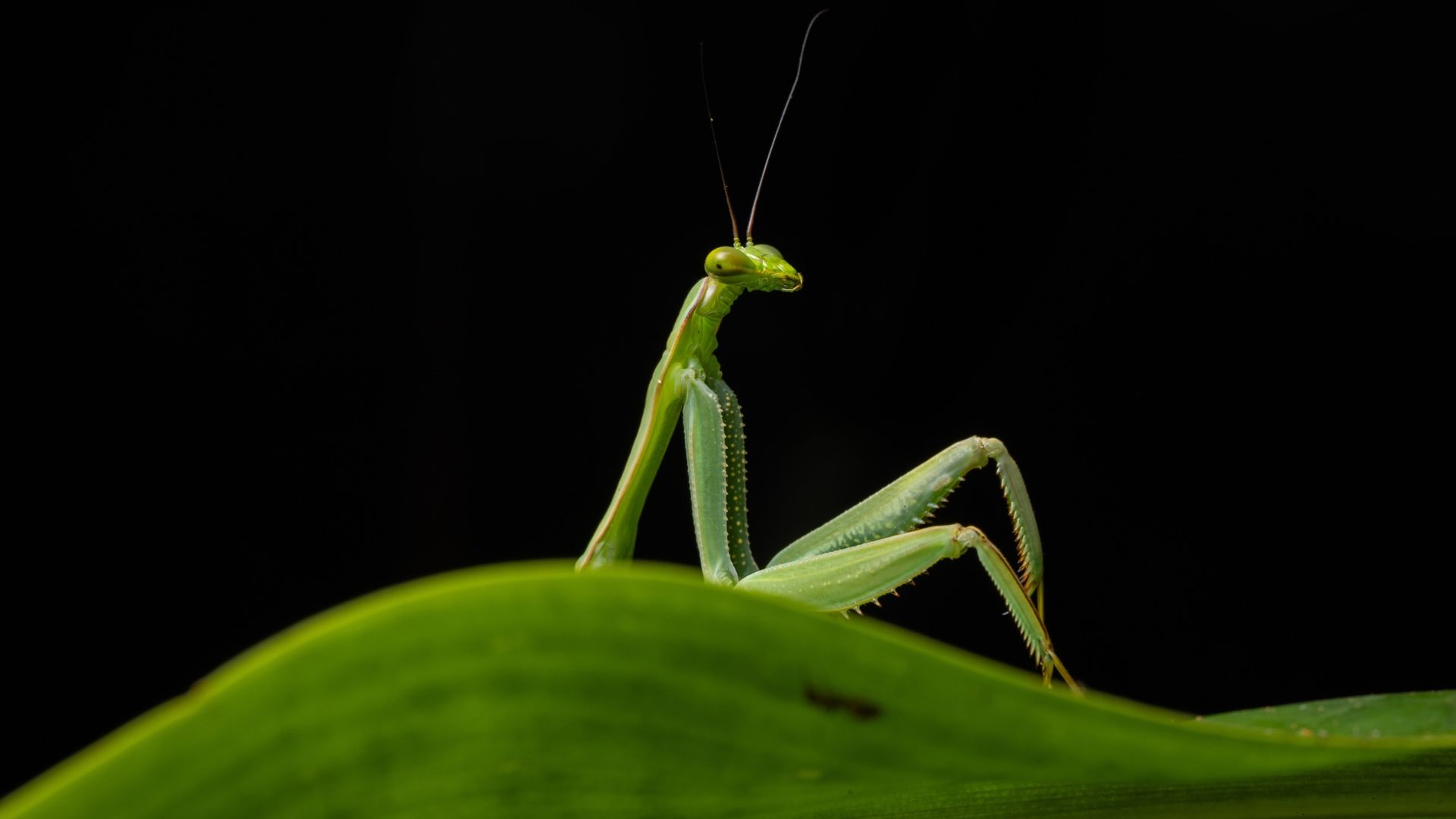
The Nikon Comedy Wildlife Awards has unveiled its finalists for 2026, so let's all have a good laugh at nature.
Read at source →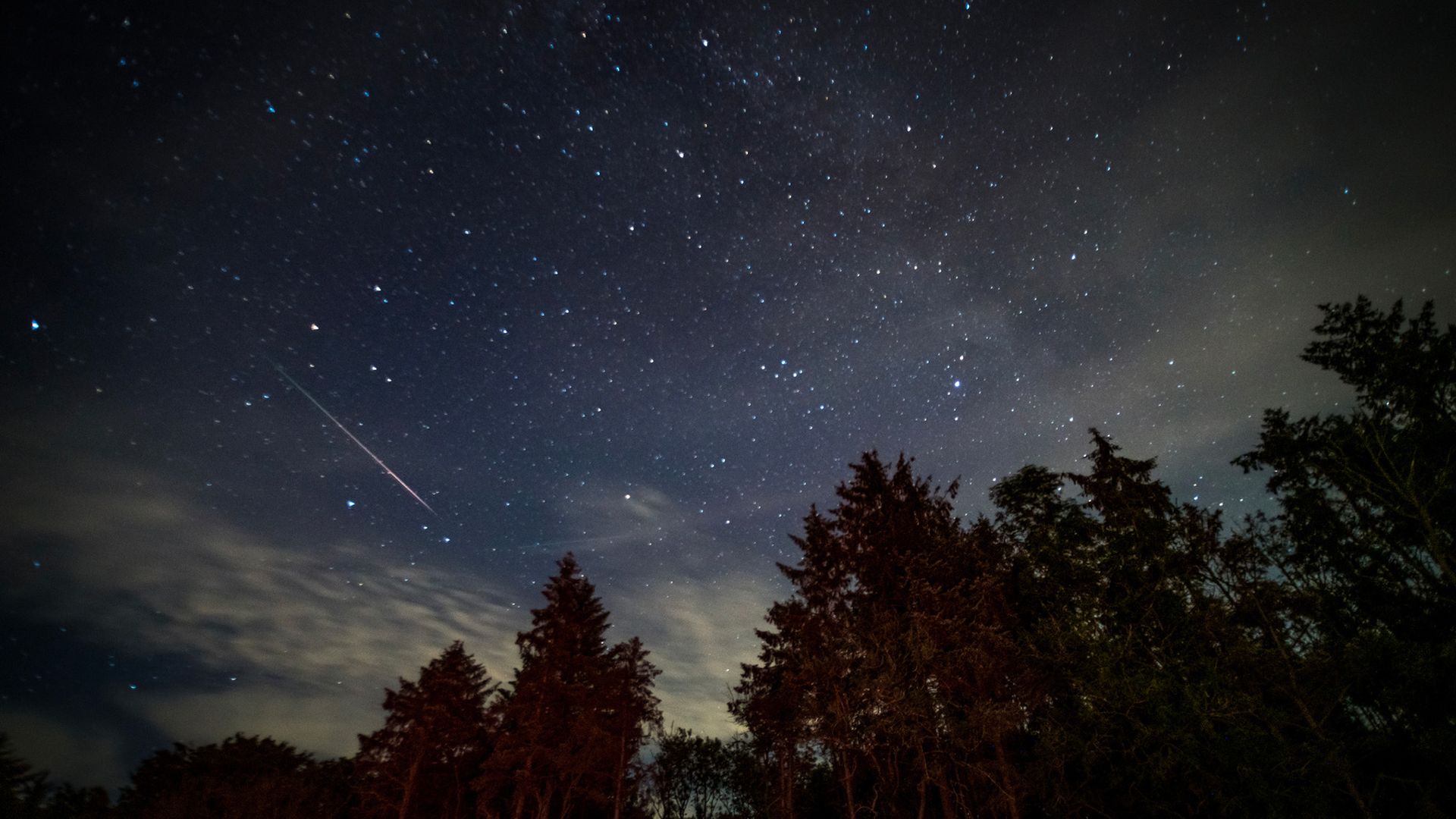
Peaking on Oct. 8-9, the unpredictable Draconid meteor shower is one of the few that's best seen just after dark. Could…
Read at source →
Before visiting the emergency room, a woman fired a gun at hallucinations triggered by over-the-counter pills.
Read at source →
Immune cells that clear old and dying cells get sluggish with age. Scientists think that rejuvenating these cells could…
Read at source →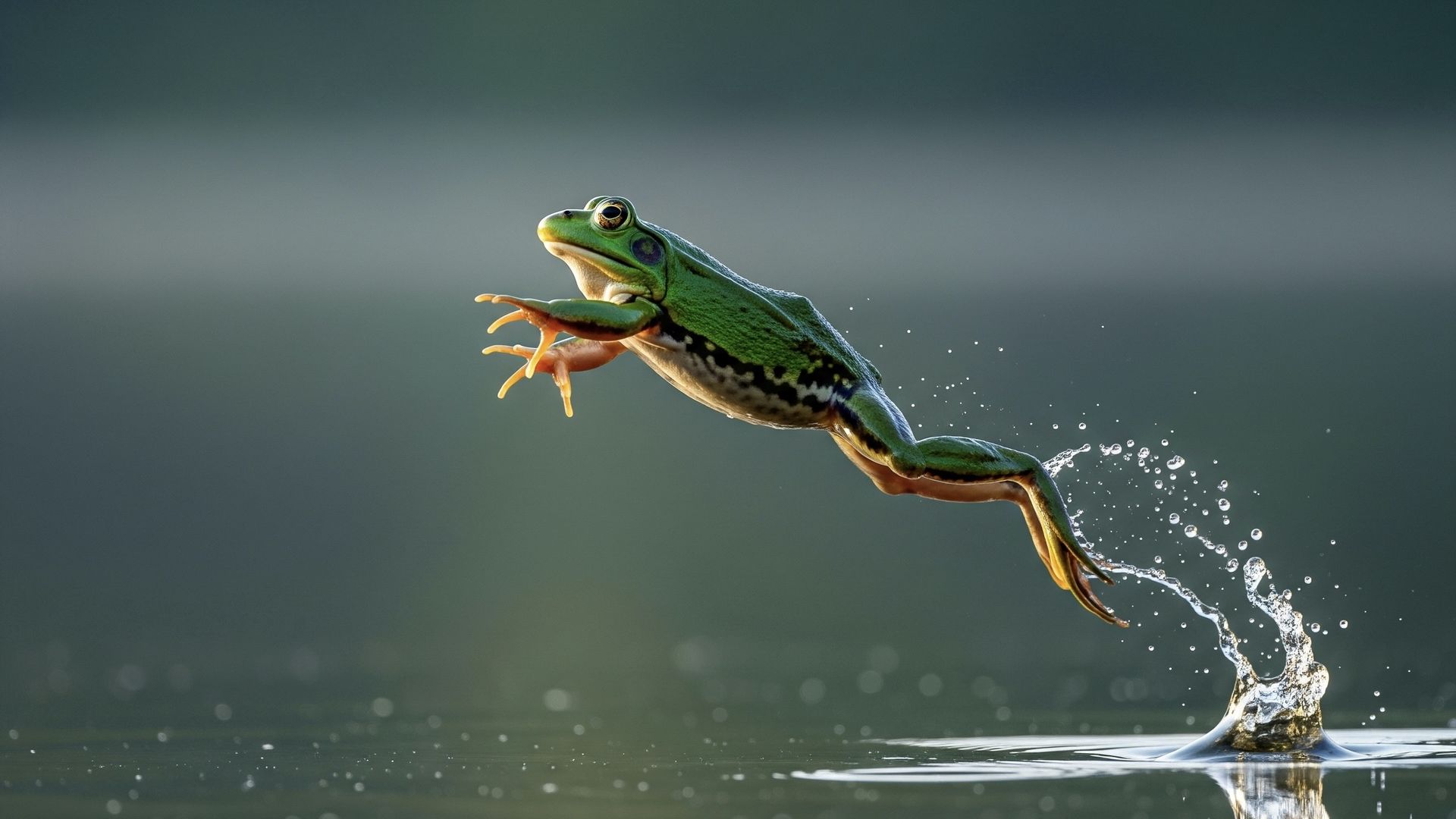
A palm-sized robot inspired by frogs uses snapping rods to jump, swim and navigate an obstacle course.
Read at source →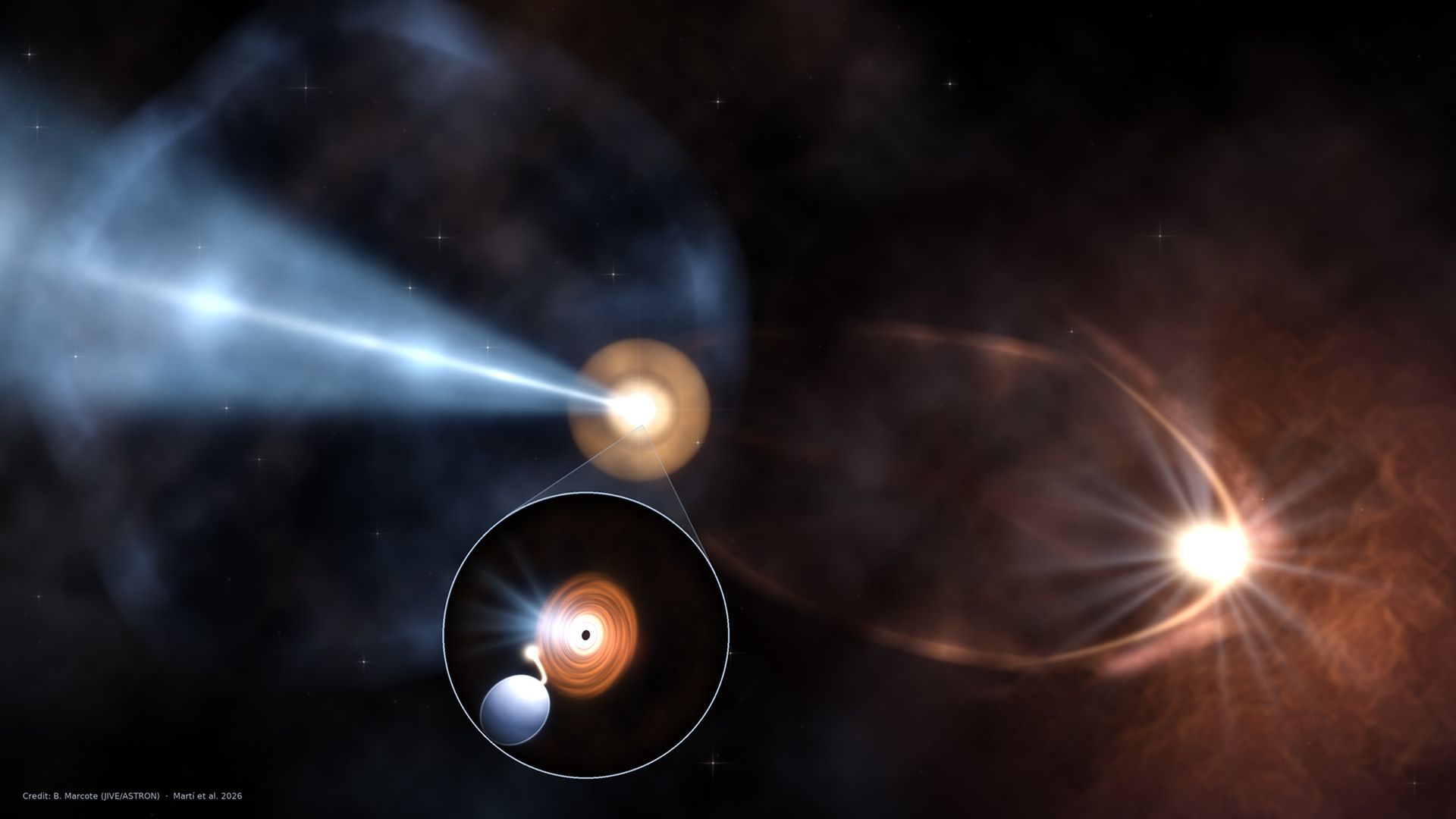
Astronomers may have discovered the first known microblazar, a long-theorized object firing a powerful beam of…
Read at source →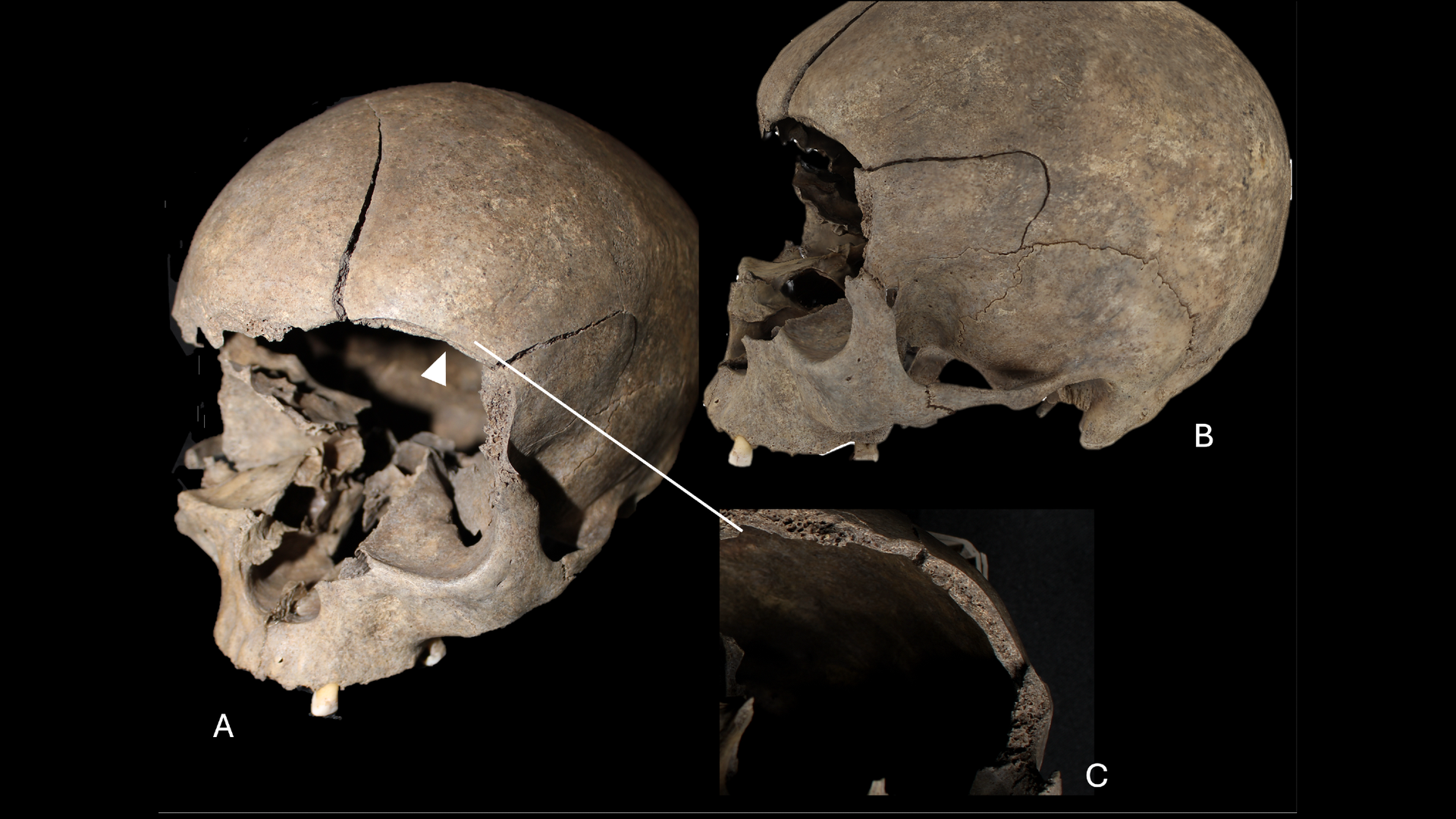
A study of nearly 200 individuals buried in domestic contexts in ancient and Viking Age Scandinavia has revealed…
Read at source →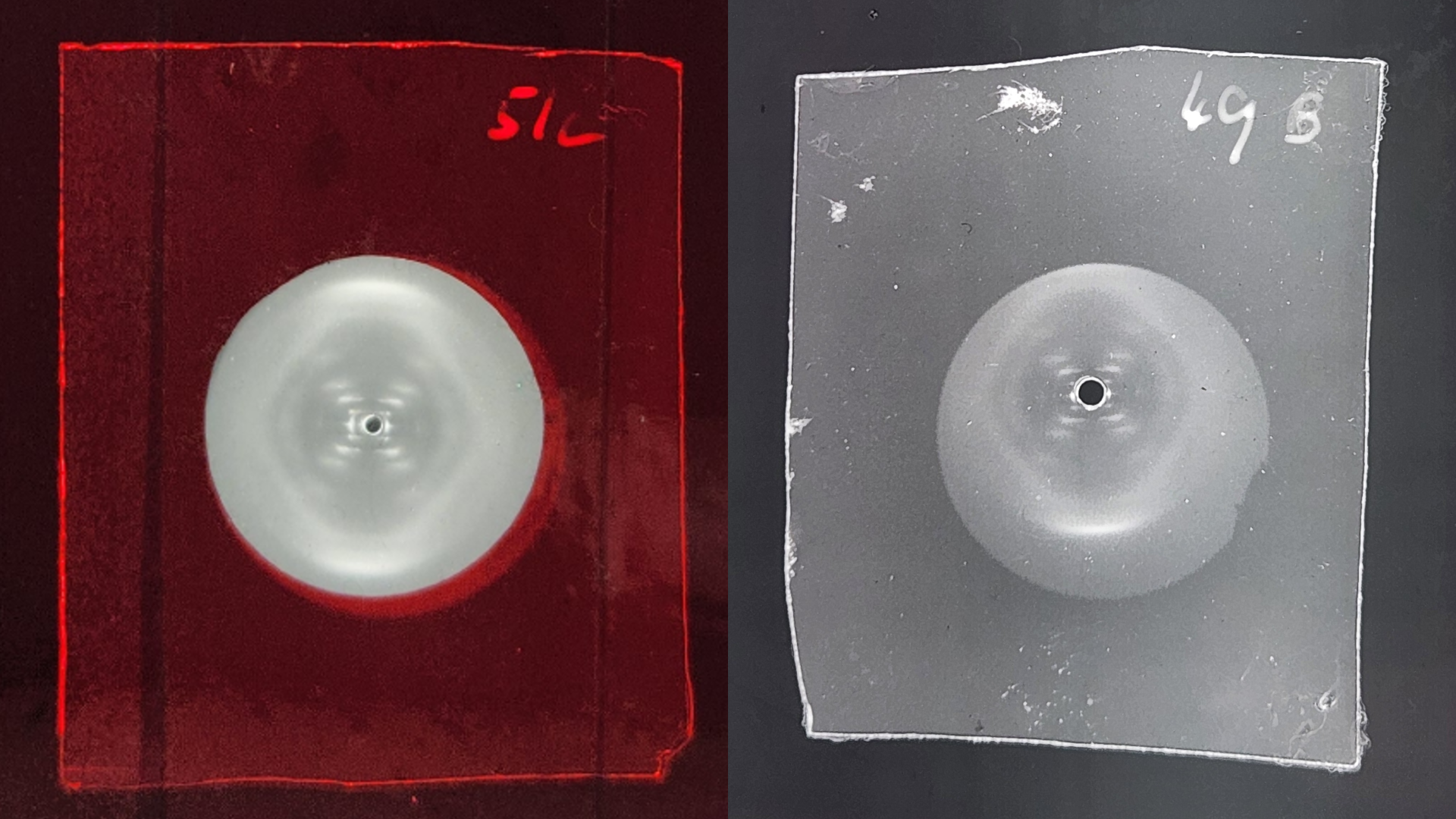
Rosalind Franklin knew about DNA's helical structure ahead of Watson and Crick, a new study of her photos and notes…
Read at source →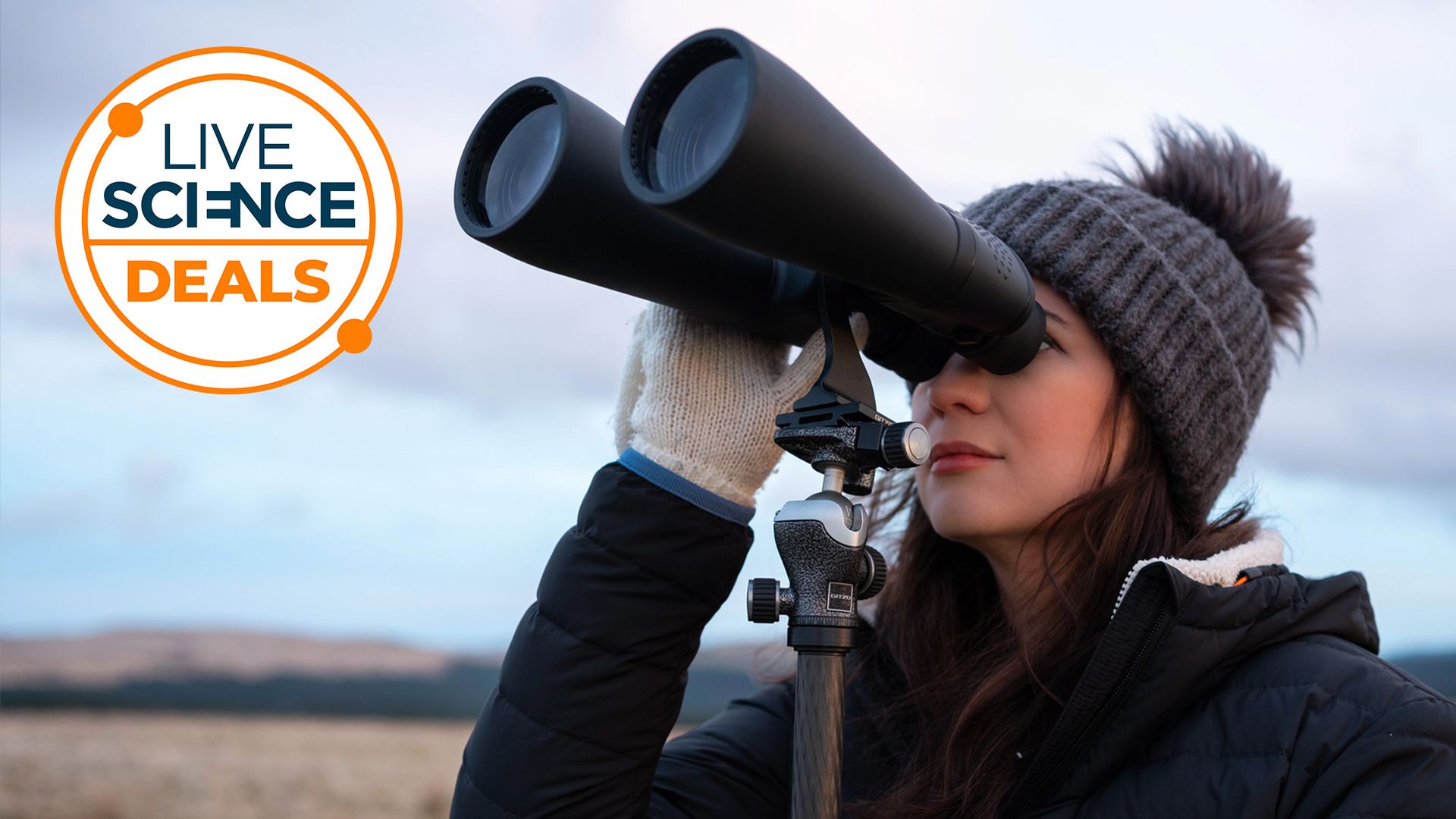
Amazon Prime Day ends tonight, so this is your last chance to save on binoculars and telescopes.
Read at source →
A 2016 astronaut photo mosaic highlights a "sunglint" phenomenon that transformed Lake Powell into a winding metallic…
Read at source →
Mpox (formerly monkeypox) continues to circulate in the U.S. Can it be stopped?
Read at source →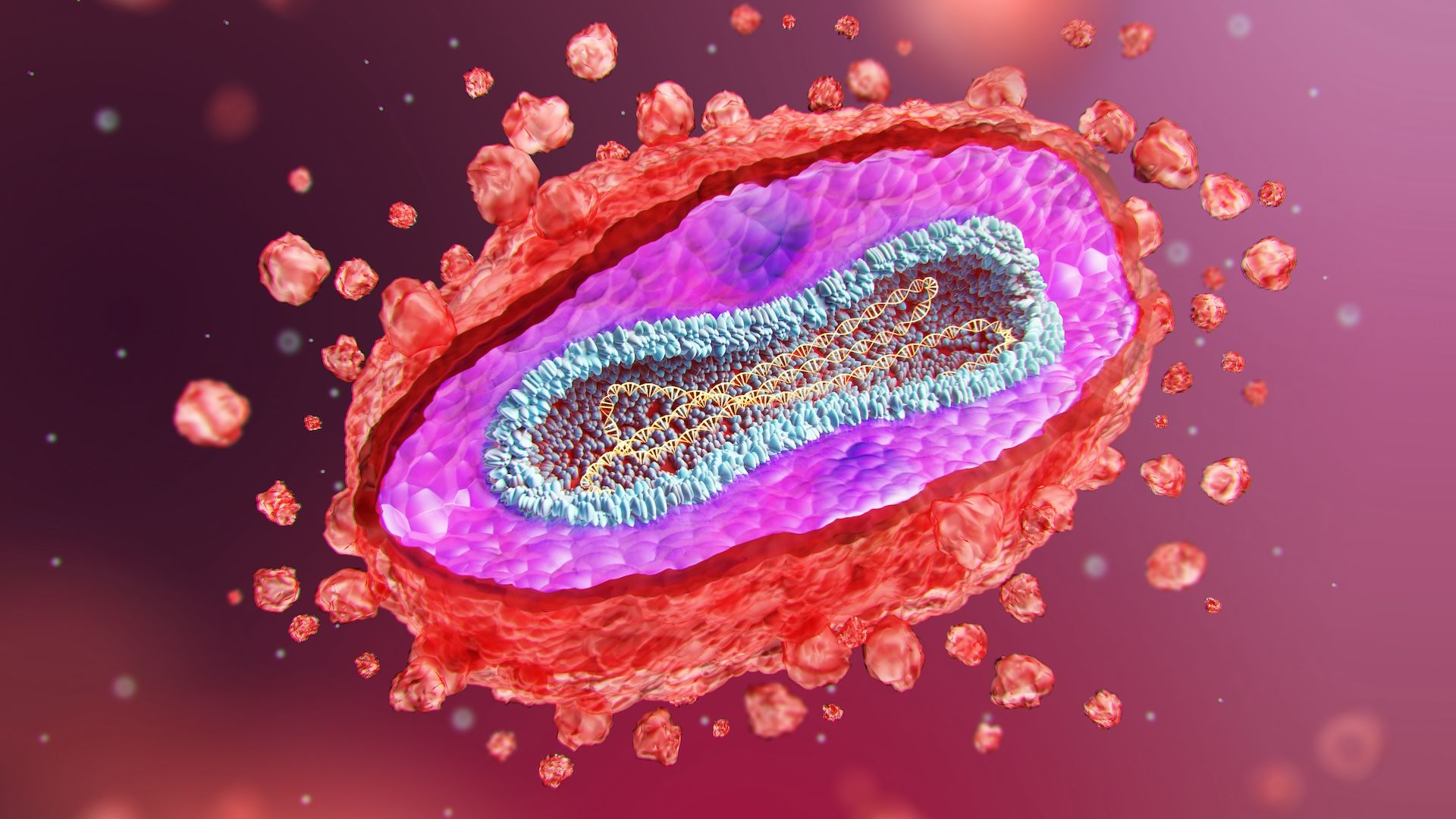
Mpox continues to circulate in many countries, including the United States. Here's what to know about the infection and…
Read at source →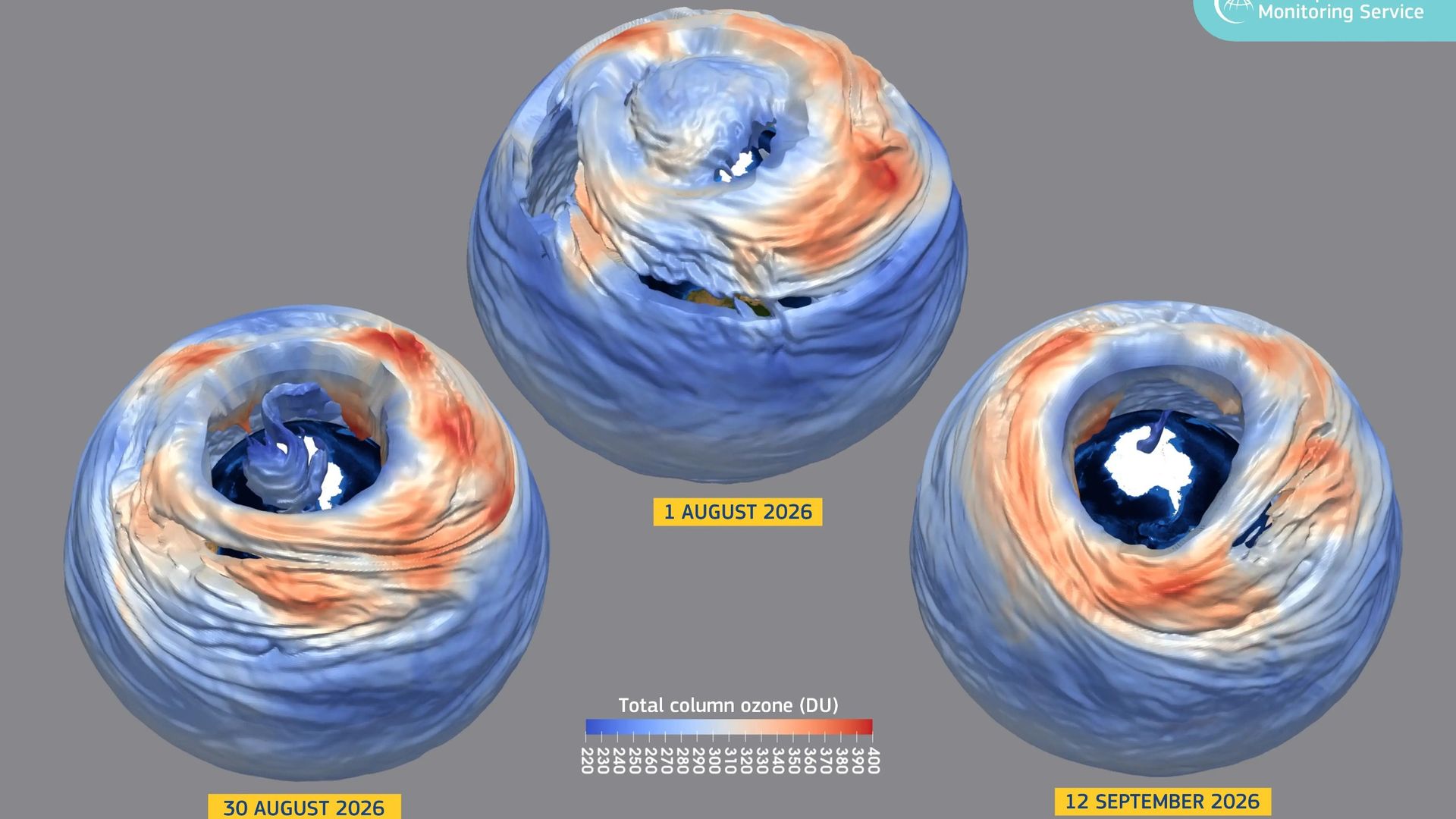
The ozone hole above Antarctica is unusually large right now, and it might signal a shift in how the gap in Earth's…
Read at source →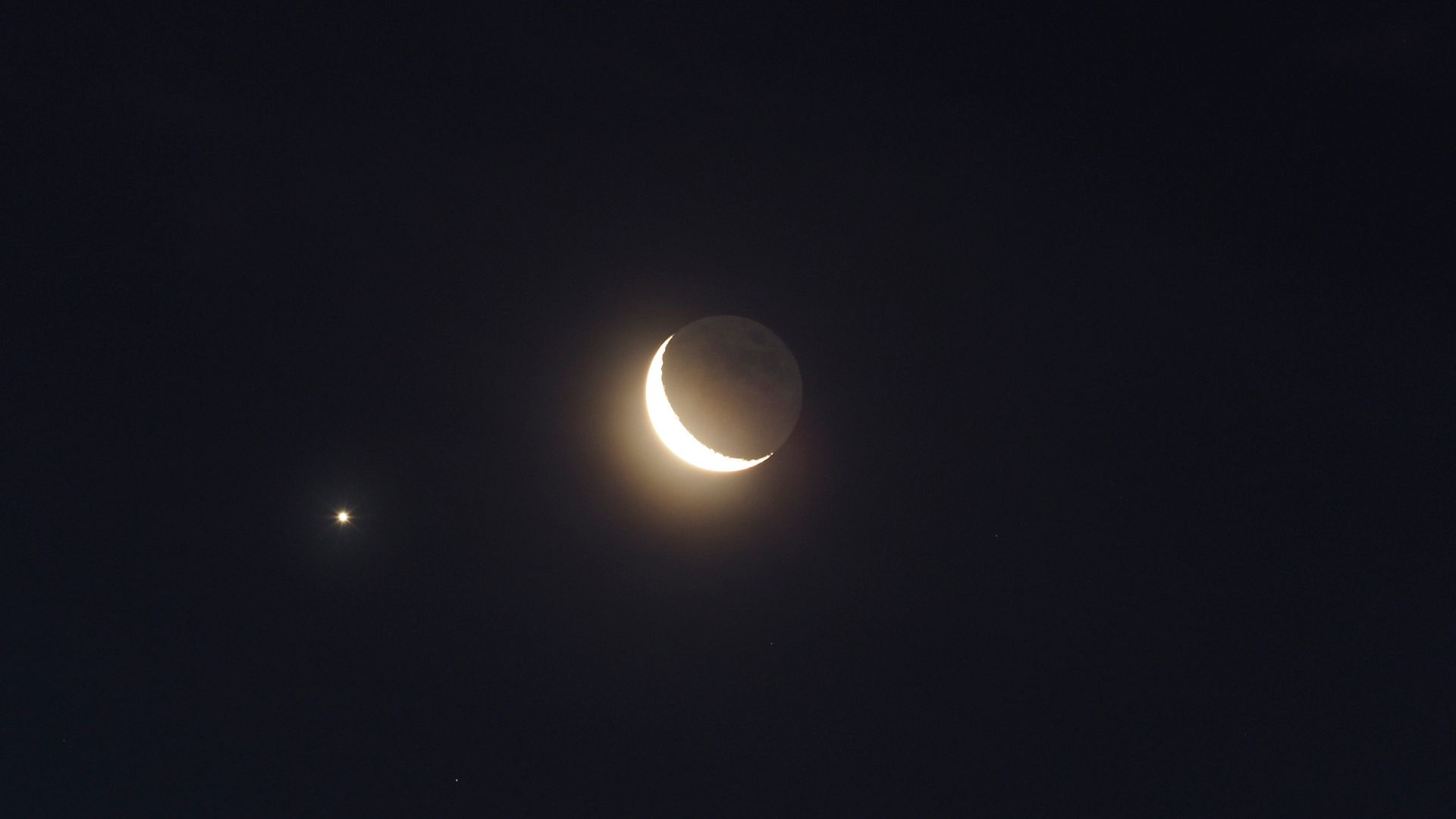
Skywatchers in the U.S. and eastern Canada can see a rare lunar occultation of Jupiter early on Oct. 6. Here are the…
Read at source →

